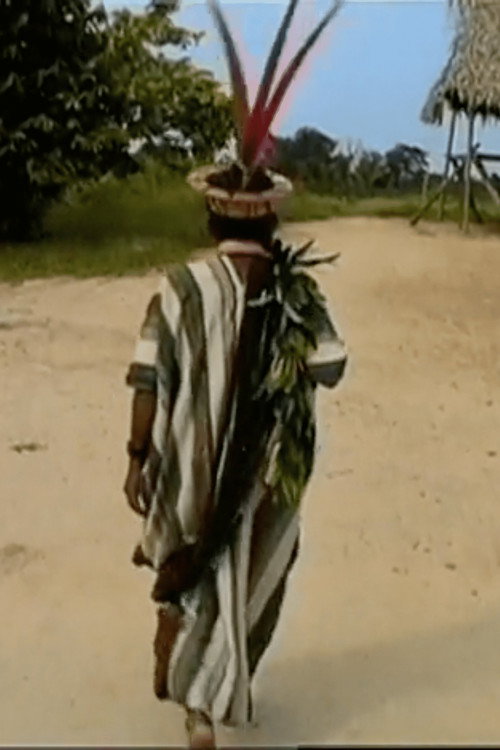
Shomõtsi 2001
In *Shomõtsi (2001)*, director Wewito Piyãko invites viewers into the intimate world of an Ashaninka father navigating life with wisdom and humor.
Director: Wewito Piyãko
Frequently Asked Questions
What is Shomõtsi (2001) about?
*Shomõtsi* is a documentary that explores the life of an Ashaninka father and his cultural insights, focusing on the uses of plants like Coca and the challenges of navigating modern systems like pension collection. The film contrasts Indigenous knowledge with materialistic pressures, all while highlighting the resilience of Amazonian traditions.
Who directed Shomõtsi?
The film was directed by Wewito Piyãko, who captures the nuances of Ashaninka life with a keen, observational eye.
Who stars in Shomõtsi?
The documentary centers on Shomõtsi, an Ashaninka father and cultural figure, alongside two elderly companions who join him on his journey to collect pensions.
Is Shomõtsi (2001) worth watching?
As a documentary, *Shomõtsi* offers a rare and insightful look into Indigenous culture and modern struggles. While it lacks an IMDb rating, its themes of tradition, resilience, and bureaucracy make it a compelling watch for those interested in anthropological storytelling and social commentary.
How long is Shomõtsi?
The film runs for 42 minutes, making it a concise yet impactful viewing experience.
About Shomõtsi (2001) — A Glimpse into Ashaninka Life and Cultural Resilience
In *Shomõtsi (2001)*, director Wewito Piyãko invites viewers into the intimate world of an Ashaninka father navigating life with wisdom and humor. Through the lens of documentary storytelling, the film follows Shomõtsi as he shares the cultural and medicinal significance of plants like annatto, cassava, and coca, offering a perspective that contrasts sharply with Western views.
The journey takes a poignant turn as Shomõtsi and two fellow elders trek to a nearby city to collect their pensions, camping overnight and reflecting on the encroachment of modern materialism. With a blend of warmth and wit, the documentary captures their resilience and quiet defiance, painting a vivid portrait of Indigenous traditions clashing with contemporary bureaucracy.