Rooftree 1967
Set against the quiet yet charged landscapes of 1960s Sweden, *Rooftree (1967)* is a quietly intense drama that weaves together the lives of three strangers, each trapped in their own emotional landscapes.
Director: Jörn Donner
Cast
Frequently Asked Questions
What is Rooftree (1967) about?
*Rooftree* unfolds as a poignant character study, tracing the intersecting lives of Noomi, a trauma-stricken refugee, Leo, a settled family man questioning his own contentment, and Magnus, an artist whose yearnings lead him to Noomi. Their encounters reveal the fragile threads that bind people together, even in the most unexpected circumstances.
Who directed Rooftree?
Rooftree was helmed by Jörn Donner, a Swedish filmmaker known for his intimate, character-driven dramas that explore societal and personal tensions beneath the surface.
Who stars in Rooftree?
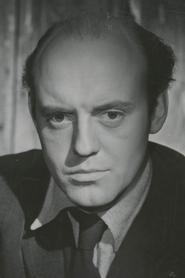
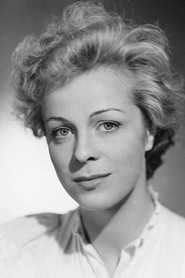
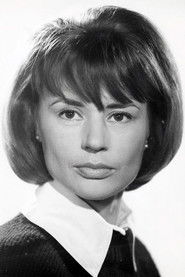
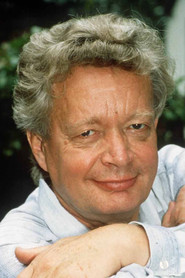
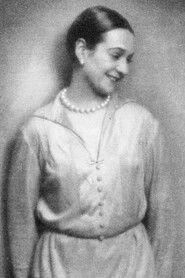
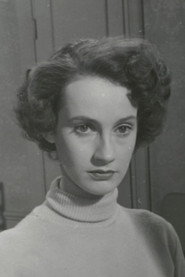
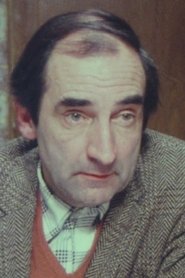
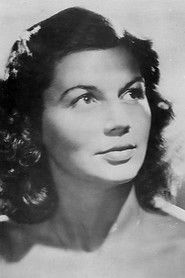
The film features a powerhouse cast including Ulf Palme, Gunnel Broström, Harriet Andersson, Ernst-Hugo Järegård, and Brita Öberg in key roles.
Is Rooftree (1967) worth watching?
Though unrated on IMDb, *Rooftree* offers a quietly compelling drama with strong performances and atmospheric storytelling. Fans of slow-burn character studies and Scandinavian cinema will find it a rewarding watch, especially for its exploration of isolation and connection in a rapidly changing world.
How long is Rooftree?
Rooftree has a runtime of 88 minutes.
About Rooftree (1967) — A Swedish Drama of Isolation and Unexpected Connections
Set against the quiet yet charged landscapes of 1960s Sweden, *Rooftree (1967)* is a quietly intense drama that weaves together the lives of three strangers, each trapped in their own emotional landscapes. Directed by Jörn Donner, this thought-provoking film follows Noomi, a fragile refugee haunted by past trauma, Leo, a comfortable middle-class father whose dreams of a suburban villa mask deeper discontent, and Magnus, a restless artist whose pursuit of connection often borders on obsession. As their paths converge, the film explores the fragility of human bonds, the weight of isolation, and the quiet revolutions that unfold when outsiders collide with the insulated world of the bourgeoisie. With a moody, atmospheric tone, Donner crafts a story that lingers long after the credits roll.
Ulf Palme delivers a masterful performance as Leo, embodying the contradictions of a man who seeks control yet feels adrift. Gunnel Broström and Harriet Andersson shine as the women navigating their own quiet crises, while Ernst-Hugo Järegård adds layers of complexity to Magnus's restless spirit. Though subtle, this is a film that rewards attentive viewers with its raw emotional honesty and lingering sense of unease, all framed within the stark beauty of a changing era.