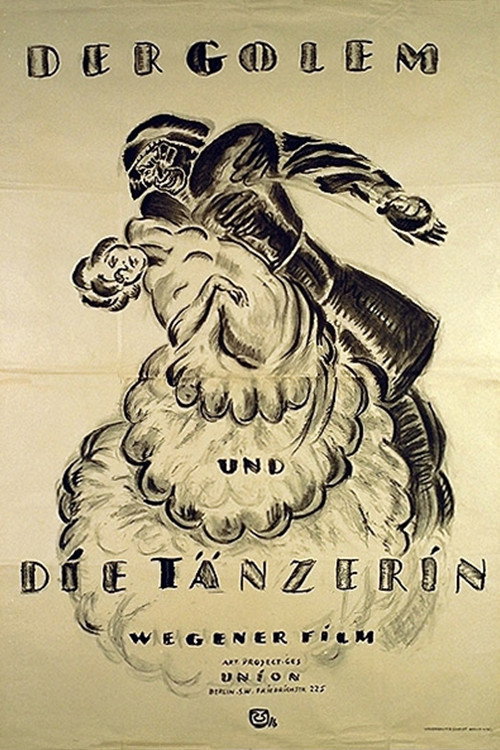
The Golem and the Dancing Girl 1917
Step into the eerie yet whimsical world of early cinema with *The Golem and the Dancing Girl (1917)*, a lost gem directed by Rochus Gliese.
Director: Rochus Gliese
Cast

Frequently Asked Questions
What is The Golem and the Dancing Girl (1917) about?
This 1917 silent film follows an actor who, in a comedic twist, impersonates the monstrous character he became famous for portraying. The plot cleverly blurs the line between reality and performance, turning a practical joke into an unsettling game of identity.
Who directed The Golem and the Dancing Girl?
Rochus Gliese directed *The Golem and the Dancing Girl*. Known for his work in early German cinema, Gliese's direction brought a blend of visual flair and narrative experimentation to the film.
Who stars in The Golem and the Dancing Girl?
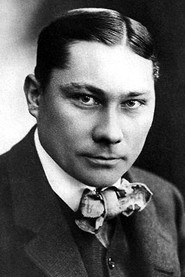
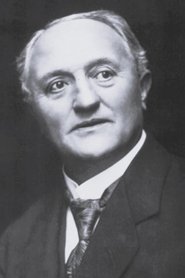
The film stars Paul Wegener, Lyda Salmonova, Rochus Gliese, and Wilhelm Diegelmann, with Wegener and Salmonova delivering standout performances in this lost classic.
Is The Golem and the Dancing Girl (1917) worth watching?
While the film is lost, its premise—rooted in early horror-comedy and silent-era innovation—makes it a fascinating historical curiosity. Fans of German expressionism or silent cinema will appreciate its playful subversion of expectations, even if it's ultimately a novelty.
How long is The Golem and the Dancing Girl?
The Golem and the Dancing Girl (1917) runs for 40 minutes, fitting snugly into the short-film format of its time.
About The Golem and the Dancing Girl (1917) — Lost Silent Horror-Comedy Explained
Step into the eerie yet whimsical world of early cinema with *The Golem and the Dancing Girl (1917)*, a lost gem directed by Rochus Gliese. This surreal short film blends horror and comedy as a mischievous actor, fresh off his fame as a screen monster, decides to prank his audience by impersonating the very creature he once portrayed. Set against the backdrop of 1910s German expressionism, the film twists reality with playful absurdity, exploring themes of identity, performance, and the blurred lines between fiction and life. Gliese's direction infuses the silent-era classic with a haunting atmosphere, where shadows dance between laughter and unease, leaving audiences guessing whether they're watching a joke or something far more sinister. Though the film is now lost to time, its premise hints at the playful experimentation of silent cinema.
The Golem and the Dancing Girl (1917) stands out for its genre-defying approach, merging slapstick humor with gothic horror in a way that feels ahead of its time. The interplay between Paul Wegener and Lyda Salmonova—two of Germany's most celebrated silent-era actors—adds a layer of intrigue, as their performances likely oscillated between campy charm and eerie mimicry. The film's brevity and playful subversion of expectations make it a fascinating footnote in early horror-comedy history, offering a glimpse into how filmmakers of the era pushed boundaries before the medium had fully defined its rules.