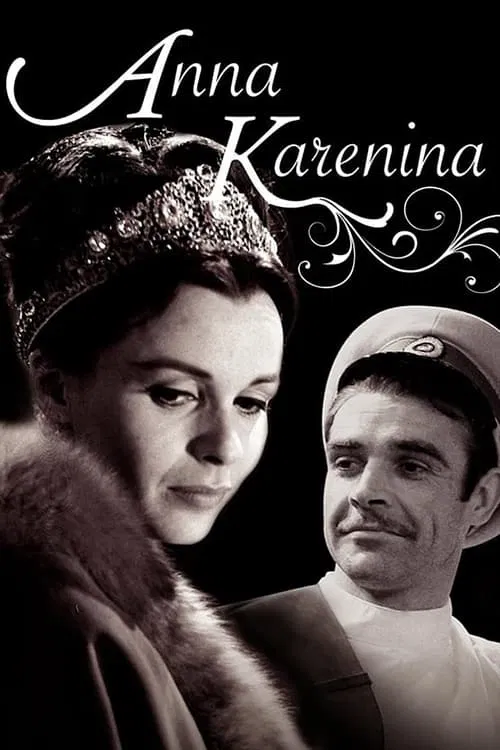
Anna Karenina 1961
Set against the opulent backdrop of Imperial Russia in 1860s St. Petersburg, this 1961 television drama adaptation of Leo Tolstoy's timeless novel follows the ill-fated romance between Anna Karenina and the dashing cavalry officer Count Vronsky.
Director: Rudolph Cartier
Cast
Frequently Asked Questions
What is Anna Karenina (1961) about?
The film follows Anna Karenina, a married noblewoman in 19th-century Russia, who falls into a passionate affair with a charming cavalry officer. Their forbidden romance unfolds against the rigid expectations of St. Petersburg's elite, where a woman's reputation is fragile and scandal can ruin lives.
Who directed Anna Karenina?
The film was directed by Rudolph Cartier, a British television pioneer known for his atmospheric and visually striking adaptations of classic literature.
Who stars in Anna Karenina?
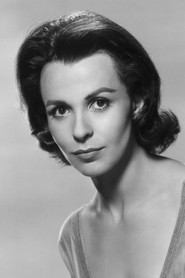
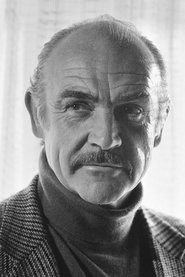
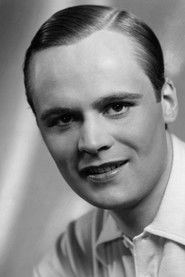
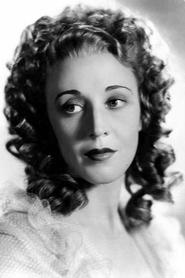
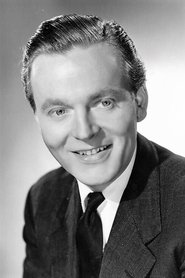
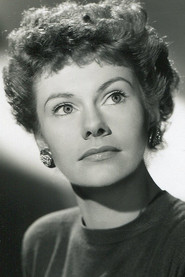
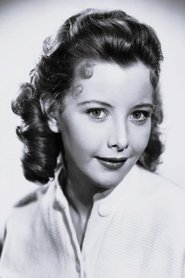
The lead roles are portrayed by Claire Bloom as Anna Karenina and Sean Connery as Count Vronsky, supported by Albert Lieven, Valerie Taylor, and Jack Watling.
Is Anna Karenina (1961) worth watching?
While it lacks an IMDb rating, this 1961 drama adaptation stands out for its elegant storytelling and strong performances, particularly Bloom's portrayal of Anna's tragic arc. Fans of period dramas or Tolstoy's novel will appreciate its faithful yet atmospheric approach.
How long is Anna Karenina?
The film has a runtime of 105 minutes, or approximately 1 hour and 45 minutes.
About Anna Karenina (1961) — Romantic Tragedy in Imperial Russian Society
Set against the opulent backdrop of Imperial Russia in 1860s St. Petersburg, this 1961 television drama adaptation of Leo Tolstoy's timeless novel follows the ill-fated romance between Anna Karenina and the dashing cavalry officer Count Vronsky. Directed by Rudolph Cartier, the film captures the stifling rigidity of high society where a woman's reputation could be shattered by a single scandalous decision. Claire Bloom delivers a heartbreaking performance as Anna, whose passionate affair with Vronsky (played by Sean Connery) leads to emotional devastation amid whispers in the aristocratic salons. The lavish costumes and grand ballroom scenes contrast with the personal turmoil at its core, blending romance, tragedy, and the crushing weight of societal expectations.
Rudolph Cartier's direction infuses the story with a melancholic intensity, emphasizing the contrast between Anna's inner turmoil and the glittering facade of 19th-century Russian nobility. The film explores themes of love, duty, and the devastating consequences of defying convention, all wrapped in the elegance of period drama aesthetics. Perfect for fans of classic literature adaptations, Anna Karenina (1961) remains a poignant exploration of passion versus propriety.