Jocaste 1925
In the shadowy world of 1920s Parisian high society, "Jocaste (1925)" weaves a gripping tale of deceit and survival.
Director: Gaston Ravel
Cast
Frequently Asked Questions
What is Jocaste (1925) about?
Jocaste (1925) follows Hélène Haviland as she uncovers a deadly secret after marrying into Parisian high society. Her husband is targeted by a trusted friend, leading her into a perilous game of silence and deception to protect him.
Who directed Jocaste?
Jocaste was directed by Gaston Ravel, a French filmmaker known for his work in silent-era cinema.
Who stars in Jocaste?
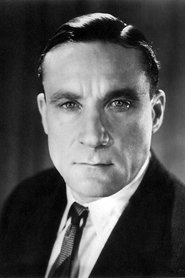
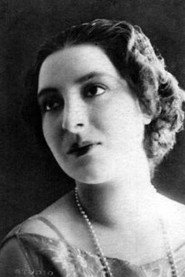
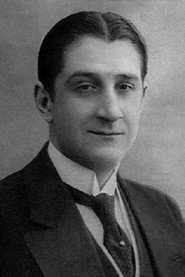
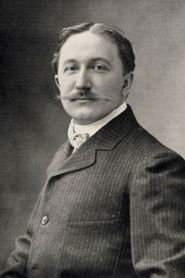
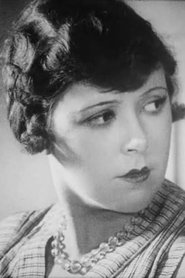
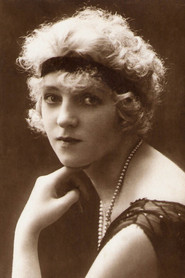
The film stars Sandra Milovanoff as Hélène Haviland, alongside Abel Tarride, Thomy Bourdelle, Claude Mérelle, and Gabriel Signoret in key roles.
Is Jocaste (1925) worth watching?
While it lacks an IMDb rating, Jocaste (1925) offers a compelling mix of crime and drama, enhanced by strong performances and moody cinematography. Fans of silent films and classic mysteries will find much to appreciate in its tense, atmospheric storytelling.
How long is Jocaste?
Jocaste (1925) has a runtime of 93 minutes.
About Jocaste (1925) — A Silent-Era Crime Drama of Betrayal and Survival
In the shadowy world of 1920s Parisian high society, "Jocaste (1925)" weaves a gripping tale of deceit and survival. Directed by Gaston Ravel, this silent-era crime drama unfolds as Hélène Haviland, played by Sandra Milovanoff, discovers a sinister plot against her husband by a trusted friend. The film thrives on its eerie atmosphere, blending psychological tension with the sleek aesthetics of early cinema. With themes of betrayal and resilience at its core, "Jocaste (1925)" explores the fragile boundaries between loyalty and danger, all while maintaining a chilling pace that keeps viewers on edge. The stellar cast, including Thomy Bourdelle and Abel Tarride, delivers performances that heighten the film's dramatic intensity.
Gaston Ravel's direction shines through the moody cinematography and meticulous framing, creating a visual experience that complements the narrative's emotional weight. The film's silent storytelling amplifies its suspense, relying on expressive performances and evocative imagery to convey its haunting story. "Jocaste (1925)" stands as a testament to the power of early filmmaking, offering a unique blend of crime and drama that lingers long after the final scene.