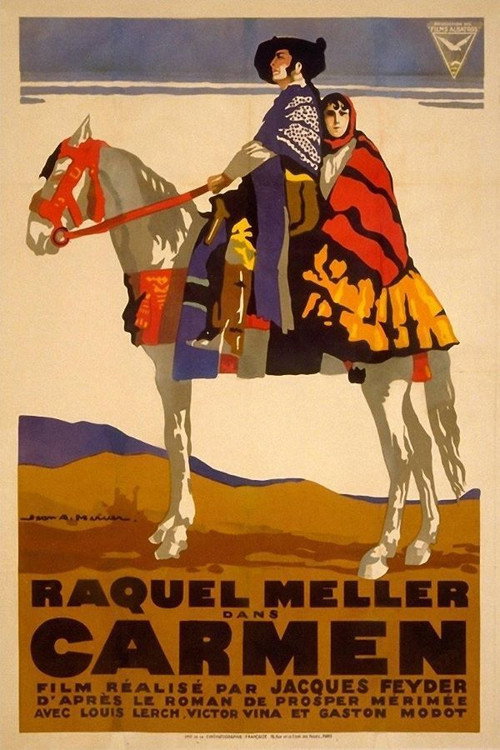
Carmen 1926
Jacques Feyder's silent-era adaptation of Prosper Mérimée's timeless tale brings the fiery drama of *Carmen (1926)* to life with striking visual storytelling.
Director: Jacques Feyder
Cast

Frequently Asked Questions
What is Carmen (1926) about?
Carmen (1926) follows the tragic romance between a soldier, Don José, and the fiery gypsy Carmen as her free-spirited ways and passionate nature draw him into a web of obsession and ruin. Based on Prosper Mérimée's novella, the film explores themes of fate, desire, and the destructive power of love.
Who directed Carmen?
Jacques Feyder directed *Carmen (1926)*, crafting a visually striking adaptation of Mérimée's classic tale.
Who stars in Carmen?
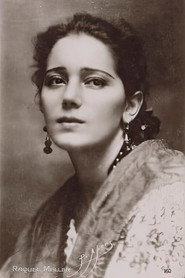
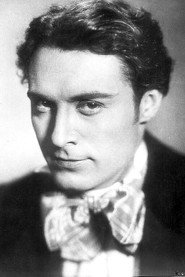
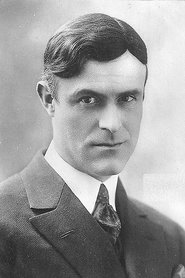
The film stars Raquel Meller as Carmen, Fred Louis Lerch as Don José, and features Gaston Modot, Jean Murat, and Luis Buñuel in supporting roles.
Is Carmen (1926) worth watching?
While unrated on IMDb, *Carmen (1926)* is a silent-era drama worth watching for its emotional depth, historical significance, and striking visuals. Fans of classic films or historical romances will appreciate its timeless themes and Feyder's masterful direction.
How long is Carmen?
Carmen (1926) has a runtime of 165 minutes.
About Carmen (1926) — Jacques Feyder's Silent-Era Drama of Love and Obsession
Jacques Feyder's silent-era adaptation of Prosper Mérimée's timeless tale brings the fiery drama of *Carmen (1926)* to life with striking visual storytelling. Set against the sun-drenched landscapes of 19th-century Spain, this historical drama dives into the doomed romance between a conflicted soldier, Don José, and the free-spirited gypsy Carmen. Their passionate yet volatile relationship unfolds against a backdrop of fate, obsession, and societal tension, capturing the raw intensity of Mérimée's original narrative. With its rich atmosphere and emotional depth, Feyder's film transforms a classic story into a cinematic experience that lingers long after the final frame. The cast, led by Raquel Meller and Fred Louis Lerch, delivers performances that balance romance and tragedy, making *Carmen (1926)* a standout in early silent cinema.
This silent masterpiece thrives on its visual storytelling, using shadow and light to convey the passion and peril of Carmen's world. The themes of love as both salvation and destruction are woven into every scene, reflecting the era's evolving cinematic language. Whether you're a fan of historical dramas or silent films, *Carmen (1926)* offers a compelling blend of emotion and spectacle, making it a must-see for classic cinema enthusiasts.