The Guilty One 1911
Explore *The Guilty One (1911)*, a silent-era short film directed by René Leprince, where the shadows of guilt and redemption collide in just seven minutes.
Director: René Leprince
Cast
Frequently Asked Questions
What is The Guilty One (1911) about?
*The Guilty One (1911)* follows a protagonist navigating a moral dilemma that forces them to confront their past choices and the consequences they've avoided. Set in an era of social and personal tension, the film distills its drama into a mere seven minutes, using stark visuals and minimal dialogue to amplify the weight of guilt and the possibility of redemption.
Who directed The Guilty One?
René Leprince directed *The Guilty One (1911)*, contributing to its tight narrative and atmospheric tension. Though lesser-known today, Leprince was a prominent figure in early French cinema, crafting films that explored human emotions with precision.
Who stars in The Guilty One?
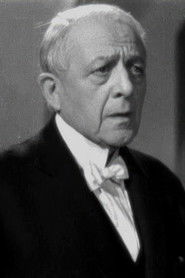
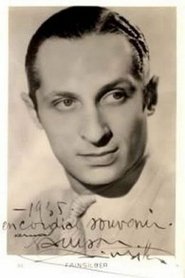
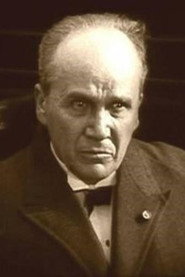
The film features Gaston Dubosc, Paul Escoffier, and Charles Mosnier in its principal roles, with their performances driving the emotional core of the story.
Is The Guilty One (1911) worth watching?
If you're a fan of silent-era cinema or intrigued by how early filmmakers conveyed complex emotions in limited runtime, *The Guilty One (1911)* is a fascinating watch. Its brevity doesn't diminish its impact, offering a snapshot of moral drama that feels both timeless and distinctly of its time.
How long is The Guilty One?
The runtime of *The Guilty One (1911)* is approximately 7 minutes.
About The Guilty One (1911) — A Glimpse into Silent-Era Moral Drama
Explore *The Guilty One (1911)*, a silent-era short film directed by René Leprince, where the shadows of guilt and redemption collide in just seven minutes. Set against a backdrop of early 20th-century drama, this compact yet powerful narrative follows an unnamed protagonist entangled in a moral dilemma that unfolds with tension and urgency. Leprince's direction infuses the film with a gripping atmosphere, as each frame amplifies the weight of the protagonist's choices, leaving audiences to ponder the consequences of their actions. The sparse runtime belies the depth of the story, making it a fascinating glimpse into silent cinema's ability to convey emotion through visual storytelling and subtle performances.
A product of the pioneering era of French filmmaking, *The Guilty One (1911)* showcases the talents of Gaston Dubosc, Paul Escoffier, and Charles Mosnier, whose expressions and movements carry the narrative without words. Though details about the genre remain scarce, the film's focus on human conflict and introspection suggests a psychological drama, wrapped in the raw authenticity of early cinema. Its brevity and intensity make it a compelling watch for aficionados of silent films and anyone fascinated by the evolution of cinematic storytelling.