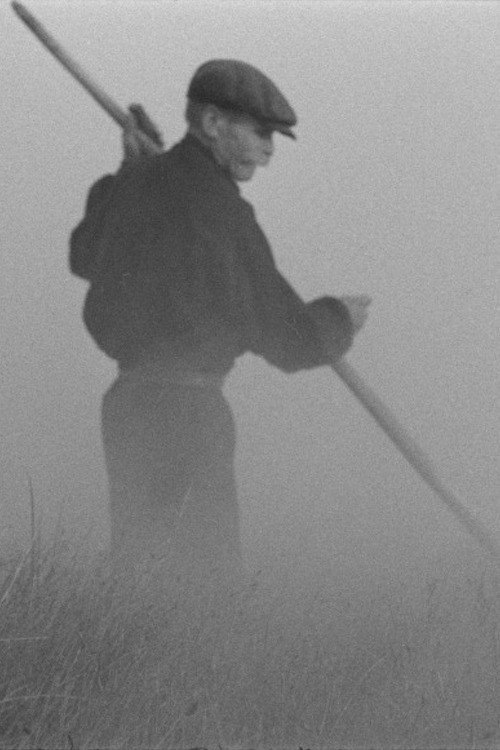
The Old Man and the Land 1965
Robertas Verba's debut documentary, *The Old Man and the Land (1965)*, stands as a landmark in Lithuanian cinema, breaking through the rigid constraints of Soviet ideological narratives.
Director: Robertas Verba
Frequently Asked Questions
What is *The Old Man and the Land (1965)* about?
This 18-minute documentary follows Anupras, a Lithuanian villager whose traditional worldview embodies the nation's ethno-cultural identity. The film contrasts his archaic beliefs with Soviet propaganda, showcasing the clash between personal conviction and political ideology.
Who directed *The Old Man and the Land*?
The film was directed by Robertas Verba, whose work is celebrated for breaking new ground in Lithuanian documentary cinema.
Who stars in *The Old Man and the Land*?
Director information is not available for the cast of this 1965 documentary.
Is *The Old Man and the Land (1965)* worth watching?
Though unrated on IMDb, *The Old Man and the Land* is a historical gem for documentary enthusiasts. Its themes of cultural resilience and unique stylistic approach make it a compelling watch for those interested in Lithuanian cinema or Cold War-era films.
How long is *The Old Man and the Land*?
The runtime of *The Old Man and the Land (1965)* is 18 minutes.
About The Old Man and the Land (1965) — A 1960s Lithuanian documentary that redefined cultural resistance
Robertas Verba's debut documentary, *The Old Man and the Land (1965)*, stands as a landmark in Lithuanian cinema, breaking through the rigid constraints of Soviet ideological narratives. At its heart is Anupras, a vibrant Lithuanian villager whose deep-rooted, traditional worldview becomes a powerful emblem of ethno-cultural identity. The film captures a bygone era, where ancient customs and personal conviction clash with imposed political narratives, creating a poignant portrait of resilience. Verba's lens transforms Anupras into a symbol of Lithuania's unyielding spirit, offering a rare glimpse into the soul of a nation resisting erasure. The 18-minute runtime brims with atmospheric storytelling, blending folklore and reality into a cinematic experience that feels both intimate and historically significant.
Critically acclaimed as the 'ice-breaker' of Lithuanian documentary filmmaking, *The Old Man and the Land (1965)* merges poetic visuals with raw authenticity. Its themes of cultural preservation and individual defiance resonate as strongly today as they did in the 1960s, making it a timeless reflection on identity and heritage.