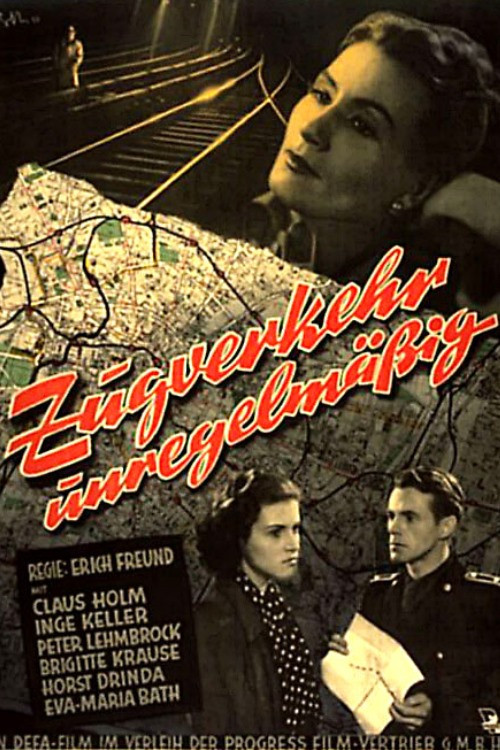
Zugverkehr unregelmäßig 1951
In the tense post-war landscape of 1950s Berlin, *Zugverkehr unregelmäßig (1951)* weaves a gripping tale of friendship, betrayal, and moral ambiguity.
Director: Erich Freund
Cast

Frequently Asked Questions
What is *Zugverkehr unregelmäßig (1951)* about?
This Cold War-era crime drama follows Jochen, a Berlin man whose life takes a dangerous turn after he's saved by a police officer. Seduced by wealth and intrigue, he's pulled into sabotaging the city's train network for a mysterious West Berlin agent. The film explores how greed and manipulation unravel friendships and trust in a divided society.
Who directed *Zugverkehr unregelmäßig*?
Erich Freund directed *Zugverkehr unregelmäßig*, a gripping post-war crime drama that delves into espionage and moral dilemmas.
Who stars in *Zugverkehr unregelmäßig*?
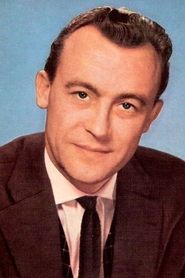
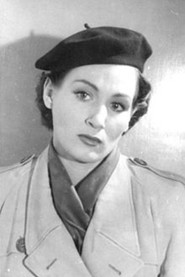
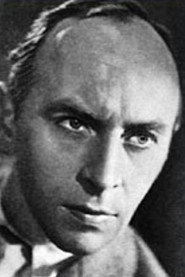
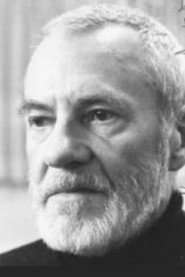
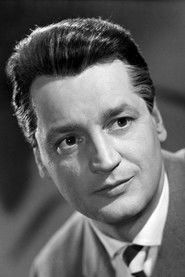
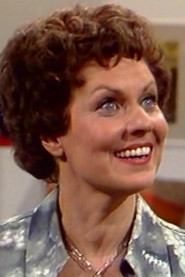
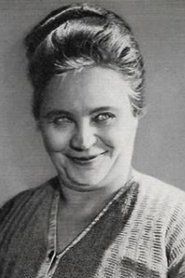
The film features Claus Holm, Inge Keller, Hanns Groth, Peter Lehmbrock, and Brigitte Krause as key cast members.
Is *Zugverkehr unregelmäßig (1951)* worth watching?
While it lacks an IMDb rating, *Zugverkehr unregelmäßig* offers a compelling snapshot of Cold War tensions through its crime-drama lens. Its themes of betrayal and ideological conflict make it a fascinating watch for fans of historical dramas and post-war cinema.
How long is *Zugverkehr unregelmäßig*?
The film has a runtime of 82 minutes.
About Zugverkehr unregelmäßig (1951) — A Cold War Crime Drama of Betrayal and Espionage
In the tense post-war landscape of 1950s Berlin, *Zugverkehr unregelmäßig (1951)* weaves a gripping tale of friendship, betrayal, and moral ambiguity. Directed by Erich Freund, this Cold War-era crime drama explores the seductive allure of easy money when Jochen, a working-class man saved from peril by police officer Erich, finds himself drawn into a dangerous web of espionage. Ellen, a captivating but manipulative West Berlin agent, lures Jochen into sabotaging the city's train network, promising wealth and excitement—but the consequences spiral out of control as Erich's loyalty is tested and his past romance with Inge resurfaces. The film masterfully contrasts the bustling, fractured streets of Berlin with the shadowy underworld of political intrigue.
As Jochen's double life unfolds, the tension builds toward a climactic reckoning where trust is shattered and loyalties are questioned. The stark black-and-white cinematography amplifies the film's somber mood, capturing the era's palpable unease and the human cost of ideological conflict. With its sharp social commentary and compelling performances, *Zugverkehr unregelmäßig* remains a poignant relic of post-war cinema, offering a window into a society still grappling with division and deception.