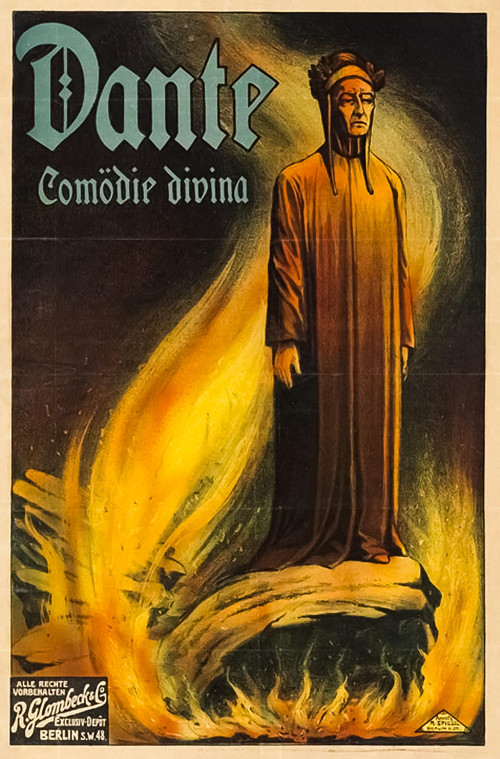
Dante's Inferno 1911
Dante's Inferno (1911) brings the timeless terror of hell to silent-era cinema in a compact yet atmospheric two-reel adaptation of Dante Alighieri's classic from *The Divine Comedy*.
Director: Giuseppe Berardi
Cast
Frequently Asked Questions
What is Dante's Inferno (1911) about?
This early silent film adapts Dante Alighieri's iconic vision of hell from *The Divine Comedy*, transporting viewers through the nine circles of damnation. It follows sinners facing poetic justice in a stark, visually striking underworld crafted for the silver screen. The 15-minute runtime condenses a sprawling epic into a concentrated, allegorical experience.
Who directed Dante's Inferno?
Dante's Inferno was directed by Giuseppe Berardi, a pioneer of Italian cinema who brought the inferno's horrors to life with bold, innovative staging.
Who stars in Dante's Inferno?
The film features Giuseppe Berardi and Armando Novi, with Berardi also helming the project as director.
Is Dante's Inferno (1911) worth watching?
Given its historical significance as one of the first cinematic adaptations of Dante's masterpiece, Dante's Inferno is a fascinating watch for silent-film enthusiasts and literature buffs. Its concise runtime and dramatic visuals offer a unique glimpse into early 20th-century storytelling, though its age may limit its broad appeal. For those curious about the evolution of fantasy cinema, it's a compelling short film.
How long is Dante's Inferno?
Dante's Inferno runs for 15 minutes, a compact runtime typical of early silent-era films.
About Dante's Inferno (1911) — The First Celluloid Descent into Hell
Dante's Inferno (1911) brings the timeless terror of hell to silent-era cinema in a compact yet atmospheric two-reel adaptation of Dante Alighieri's classic from *The Divine Comedy*. Directed by Giuseppe Berardi and featuring Armando Novi in key roles, this early fantasy-drama offers a stark visual journey through the nine circles of damnation, blending moral allegory with the cinematic techniques of the era. The film's shorter runtime contrasts with its ambitious subject matter, creating a dense, symbolic experience that captures the awe and dread of medieval theology. Shot in striking chiaroscuro, it immerses viewers in a shadowy underworld where sin meets poetic justice.
As one of the first cinematic takes on Dante's literary masterpiece, Dante's Inferno (1911) stands as a fascinating artifact of early filmmaking, predating more famous adaptations by mere months. While lacking the polish of later productions, it delivers a visceral sense of the inferno's torments through creative set design and dramatic performances. The film's themes of punishment, redemption, and human frailty resonate as powerfully today as they did over a century ago, making it a must-see for fans of classic fantasy and historical cinema alike.