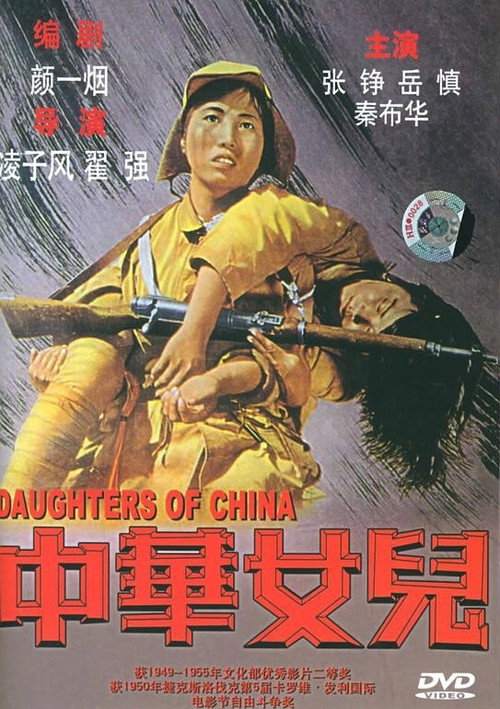
Daughters of China 1949
In the turbulent backdrop of 1930s Manchukuo under Japanese occupation, "Daughters of China (1949)" spotlights the courageous spirit of women who defy oppression to join the Volunteer Army.
Director: Ling Zifeng
Cast

Frequently Asked Questions
What is Daughters of China (1949) about?
Set during the Japanese occupation of Manchukuo, the film follows a group of women who join the Volunteer Army, trading domestic life for the battlefield. Their journey explores themes of sacrifice, identity, and the fight for national freedom.
Who directed Daughters of China?
Daughters of China was directed by Ling Zifeng, a filmmaker known for his contributions to early Chinese cinema during a transformative era.
Who stars in Daughters of China?
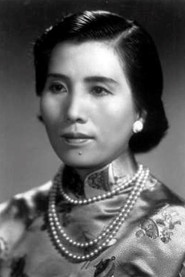
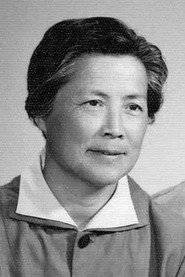
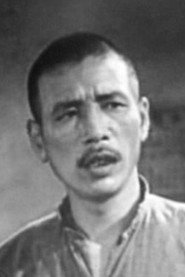
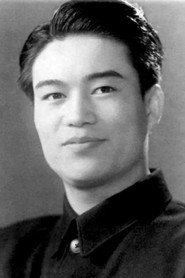
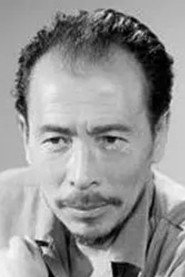
The film features Zhang Zheng, Shen Yue, Bo Li, Defu Du, and Yang Yu in pivotal roles that bring the story to life.
Is Daughters of China (1949) worth watching?
Though unrated on IMDb, its historical significance, stirring drama, and portrayal of female heroism make it a compelling watch for fans of war films and classic cinema. The emotional depth and wartime setting set it apart.
How long is Daughters of China?
Daughters of China runs for 95 minutes, offering a concise yet impactful cinematic experience.
Daughters of China (1949): Heroic Women in Wartime Drama — Full Movie Info
In the turbulent backdrop of 1930s Manchukuo under Japanese occupation, "Daughters of China (1949)" spotlights the courageous spirit of women who defy oppression to join the Volunteer Army. Directed by Ling Zifeng, this war drama transcends battlefield action to celebrate the resilience and sacrifice of ordinary women thrust into extraordinary circumstances.
The film's haunting atmosphere blends the grit of wartime survival with the warmth of human connection, as the protagonists navigate love, loss, and duty. With its stirring portrayal of female heroism, the movie remains a poignant tribute to those who fought not just for their homeland, but for the ideals of freedom and dignity. The emotional weight lingers long after the final scene, making it a timeless classic in Chinese cinema.