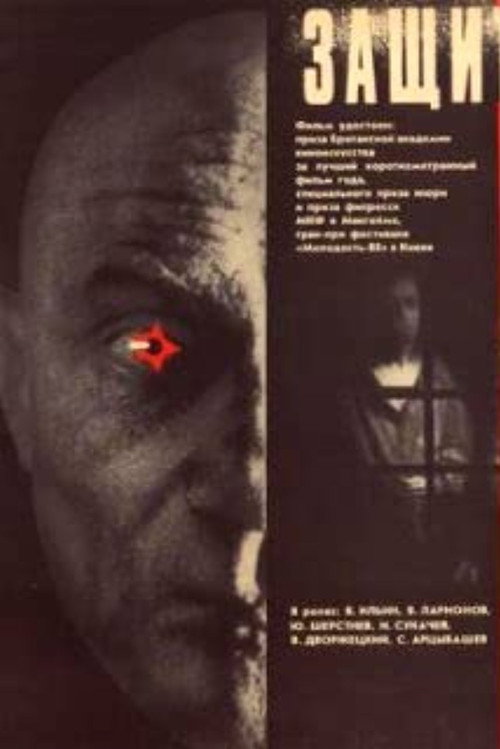
Defence Counsel Sedov 1988
In the grim winter of 1937 Moscow, Defence Counsel Sedov (1988) unfolds as a tense drama rooted in the shadows of Stalin's Great Purge.
Director: Evgeny Tsymbal
Cast


Frequently Asked Questions
What is Defence Counsel Sedov (1988) about?
Set in 1937 Moscow during Stalin's purges, the film follows defence lawyer Pyotr Sedov as he tries to overturn the death sentences of three agronomists falsely accused of sabotage. His efforts bring him face-to-face with a corrupt system where hope is met with crushing indifference—or worse.
Who directed Defence Counsel Sedov?
The film was directed by Evgeny Tsymbal, known for his work in Soviet-era dramas that blend historical gravity with intimate character studies.
Who stars in Defence Counsel Sedov?
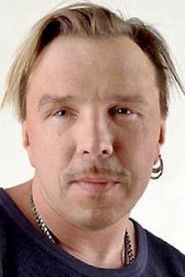
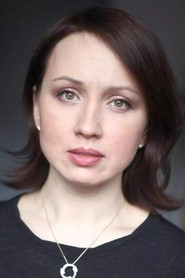
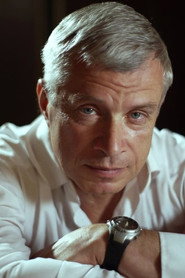
The cast features Vladimir Ilin in the lead role, supported by Albina Matveyeva, Tamara Chernova, and Vsevolod Larionov in pivotal roles.
Is Defence Counsel Sedov (1988) worth watching?
While not widely rated on IMDb, this 1988 Soviet drama offers a compelling, atmospheric look at moral courage under authoritarianism. Its historical resonance and strong performances make it a thoughtful watch for fans of political cinema, though it may feel slow-paced to some viewers.
How long is Defence Counsel Sedov?
Runtime details are not listed.
About Defence Counsel Sedov (1988) — A gripping Soviet-era drama of justice and resistance under Stalin
In the grim winter of 1937 Moscow, Defence Counsel Sedov (1988) unfolds as a tense drama rooted in the shadows of Stalin's Great Purge. The film opens with a desperate knock on the door of lawyer Pyotr Sedov—played with quiet intensity by Vladimir Ilin—summoning three widows whose husbands have been condemned to death on false charges of agrarian sabotage. What begins as a flicker of hope against overwhelming state machinery quickly evolves into a moral chess match, as Sedov navigates a labyrinth of bureaucracy and ideological pressure.
Director Evgeny Tsymbal crafts a stark, atmospheric portrayal of resistance and complicity, where each bureaucratic encounter chips away at Sedov's idealism. The script deftly explores themes of justice, power, and the cost of silence in a totalitarian regime. With powerful supporting performances from Albina Matveyeva and Tamara Chernova, this Soviet-era drama remains a haunting reminder of how easily truth can be buried beneath ideology.