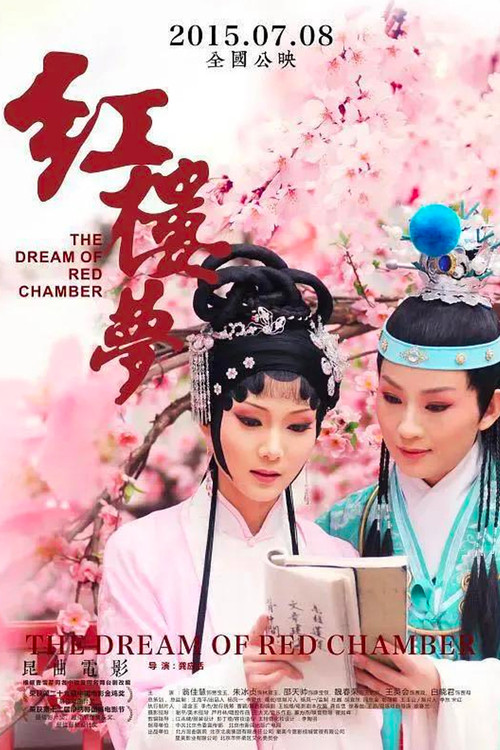
红楼梦 2014
红楼梦 (2014) transports viewers into the opulent yet fragile world of 18th-century Qing Dynasty aristocracy through a lavish Kunqu opera adaptation of Cao Xueqin's timeless classic.
Director: Gong Yingtian
Frequently Asked Questions
What is 红楼梦 (2014) about?
红楼梦 (2014) follows the Jia family's journey from prosperity to decline during China's Qing Dynasty, as seen through the lens of Cao Xueqin's 18th-century literary masterpiece. The story centers on the star-crossed romance between Jia Baoyu and his cousin Lin Daiyu, set against a backdrop of lavish Kunqu opera performances. It explores themes of love, duty, and the ephemeral nature of wealth and power.
Who directed 红楼梦?
Gong Yingtian directed 红楼梦 (2014). Known for his creative adaptations of classical Chinese works, Gong brings a fresh yet reverent vision to this operatic retelling.
Who stars in 红楼梦?
While the full cast list is not specified, 红楼梦 (2014) features renowned Kunqu opera performers in its lead roles, embodying the iconic characters of Jia Baoyu, Lin Daiyu, and their intertwined fates.
Is 红楼梦 (2014) worth watching?
As a Kunqu opera adaptation of one of China's most celebrated novels, 红楼梦 (2014) is a visual and auditory feast for fans of classical literature and performance arts. Its 160-minute runtime may test patience, but the film's grandeur and emotional depth make it rewarding for those seeking an immersive cultural experience.
How long is 红楼梦?
红楼梦 (2014) runs for 160 minutes, offering an expansive journey through its operatic storytelling.
About 红楼梦 (2014): Kunqu Opera's Grand Adaptation Explored
红楼梦 (2014) transports viewers into the opulent yet fragile world of 18th-century Qing Dynasty aristocracy through a lavish Kunqu opera adaptation of Cao Xueqin's timeless classic. Directed by the visionary Gong Yingtian, this visually stunning spectacle turns China's literary jewel into a mesmerizing cinematic experience, where every note of Kunqu's UNESCO-recognized artistry unfolds against grand palatial backdrops. The film weaves a poignant tale of love, ambition, and inevitable decay within the Jia family, whose rise mirrors the fleeting beauty of blooming peonies in spring. As the operatic performances blend seamlessly with modern filmmaking, 红楼梦 (2014) offers a rare fusion of tradition and innovation, inviting audiences to lose themselves in its poetic melancholy.
Gong Yingtian's masterful direction captures the essence of the novel's themes—fate, family, and the impermanence of glory—through meticulously choreographed scenes and haunting melodies. The film's atmosphere is one of delicate grandeur, where whispered intrigues and tragic romances play out against the backdrop of a crumbling dynasty. For lovers of classical Chinese literature or performance art, 红楼梦 (2014) is a must-see, blending historical depth with the timeless allure of Kunqu opera.