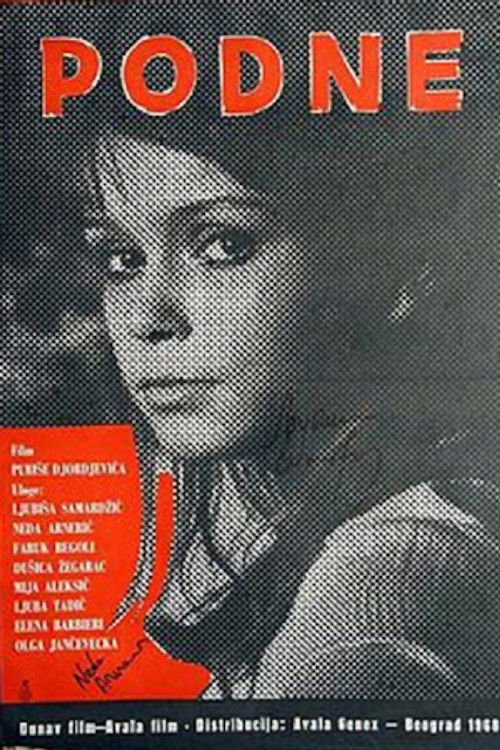
Noon 1968
Set against the backdrop of post-war Serbia, *Noon (1968)* follows the lives of residents in a small town shaken by political upheaval.
Director: Mladomir 'Puriša' Đorđević
Cast
Frequently Asked Questions
What is Noon (1968) about?
*Noon* explores how the political rift between Tito and Stalin reshapes the fate of a small Serbian community. The film intertwines the personal struggles of its characters with the larger forces of history, showing how loyalty, love, and ambition are tested under pressure.
Who directed Noon?
Noon was directed by Mladomir 'Puriša' Đorđević, a filmmaker known for his socially conscious storytelling and keen insight into Yugoslav society.
Who stars in Noon?
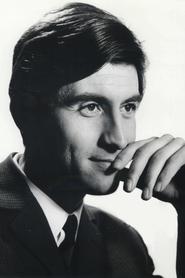
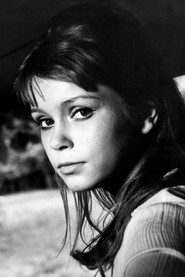
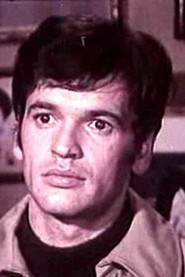
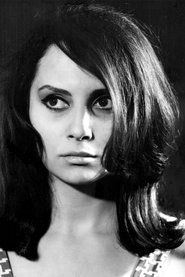
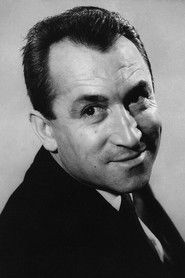
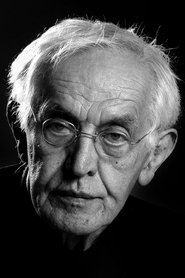
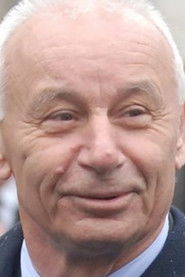
The film features a talented ensemble led by Ljubiša Samardžić, Neda Arnerić, Faruk Begolli, and Ljuba Tadić, with Dušica Žegarac and Milosav 'Mija' Aleksić rounding out the cast.
Is Noon (1968) worth watching?
*Noon* may not boast a high IMDb rating, but its historical depth and emotional weight make it a compelling watch for fans of Eastern European dramas. The film's exploration of personal and political conflict offers a unique perspective on a pivotal moment in Serbian history.
How long is Noon?
Noon runs for 84 minutes, offering a concise yet impactful dive into its themes.
About Noon (1968) — Tito's Split and the Lives It Changed in a Serbian Town
Set against the backdrop of post-war Serbia, *Noon (1968)* follows the lives of residents in a small town shaken by political upheaval. Director Mladomir 'Puriša' Đorđević crafts a poignant drama that blends romance and tension, capturing how personal relationships fracture and reform under the weight of historical events. The film's quiet intensity is amplified by Ljubiša Samardžić's commanding presence and Neda Arnerić's delicate portrayal of love tested by ideology. As Tito's break with Stalin sends ripples through society, *Noon* examines the quiet revolutions in ordinary lives, where loyalty and desire collide in the harsh light of noon.
This 84-minute gem is a snapshot of an era, where the personal and political intertwine with raw authenticity. Đorđević's direction lends a documentary-like realism to the narrative, grounded by standout performances from Faruk Begolli and Ljuba Tadić. The film's themes of resilience and change resonate as sharply today as they did in 1968, making it essential viewing for fans of Eastern European cinema and historical dramas alike.