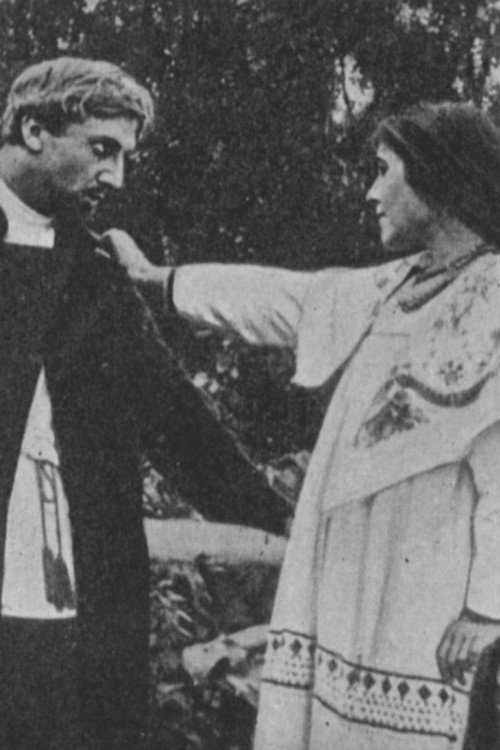
The Peasants' Lot 1912
Set against the harsh realities of feudal-era Russia, *The Peasants' Lot* (1912) weaves a heartbreaking tale of love thwarted by the cruel circumstances of rural life.
Director: Vasiliy Goncharov
Cast


Frequently Asked Questions
What is The Peasants' Lot (1912) about?
The film follows two peasants in pre-revolutionary Russia who long to marry, only to face overwhelming tragedy. Their story reflects the harsh realities of rural life under feudalism. Director Vasiliy Goncharov crafts a poignant narrative of love and loss.
Who directed The Peasants' Lot?
The film was directed by Vasiliy Goncharov, a pioneer of early Russian cinema. His work often explored social themes through dramatic storytelling.
Who stars in The Peasants' Lot?
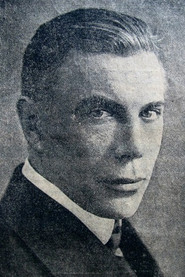
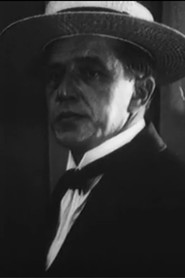
The cast includes Aleksandra Goncharova, Ivan Mosjoukine, Pyotr Chardynin, Arseniy Bibikov, and Lidiya Tridenskaya in key roles.
Is The Peasants' Lot (1912) worth watching?
Though it lacks an IMDb rating, *The Peasants' Lot* offers a gripping, historically significant drama. Its emotional depth and early cinematic techniques make it a rewarding watch for drama enthusiasts and silent film fans.
How long is The Peasants' Lot?
The runtime is approximately 30 minutes, making it a concise yet impactful viewing experience.
About The Peasants' Lot (1912) — A Heartbreaking Silent-Era Drama of Love and Fate
Set against the harsh realities of feudal-era Russia, *The Peasants' Lot* (1912) weaves a heartbreaking tale of love thwarted by the cruel circumstances of rural life. Directed by Vasiliy Goncharov, this silent-era drama immerses viewers in the struggles of two peasants whose dreams of marriage are crushed by fate. With its stark visuals and emotional weight, the film captures the fragility of existence for those bound to the land. Starring Aleksandra Goncharova and Ivan Mosjoukine in central roles, *The Peasants' Lot* stands as a poignant snapshot of early 20th-century cinema, blending raw drama with historical authenticity.
Drawing its power from the intertwined fortunes of its characters, the movie contrasts the simplicity of their aspirations with the unforgiving nature of their world. Goncharov's direction emphasizes the poetic yet tragic atmosphere, where love and loss play out against the backdrop of a society that offers little mercy. As a foundational work of Russian cinema, it remains a compelling exploration of class, resilience, and the human condition.
At just 30 minutes, this silent gem delivers a story that lingers long after the final frame, making it essential viewing for fans of historical dramas and early film history.