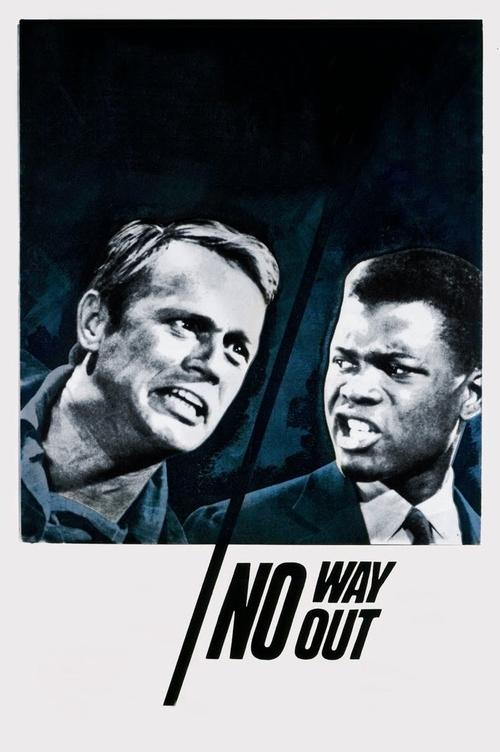
No Way Out 1950
"Is it a question... or an answer?"
In Joseph L. Mankiewicz's gripping 1950 crime drama *No Way Out*, tension crackles through every frame as two wounded brothers arrive at a hospital, their fates intertwined with the Black physician who tries to save them.
Director: Joseph L. Mankiewicz
Cast
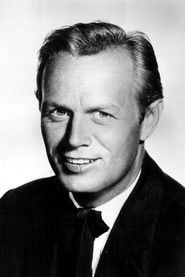
Richard Widmark
Ray Biddle

Linda Darnell
Edie Johnson
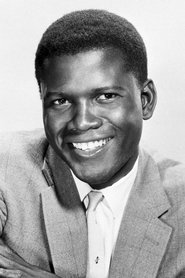
Sidney Poitier
Luther Brooks

Stephen McNally
Dan Wharton

Mildred Joanne Smith
Cora Brooks
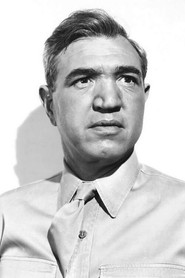
Harry Bellaver
George Biddle
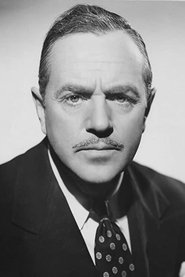
Stanley Ridges
Sam Moreland
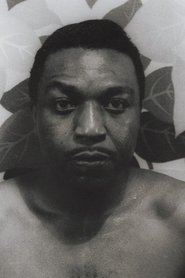
Dots Johnson
Lefty Jones
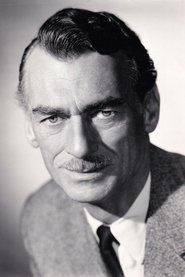
Robert Adler
Louie (uncredited)

Ernest Anderson
School Teacher (uncredited)
Frequently Asked Questions
What is No Way Out (1950) about?
The film follows two injured brothers who blame their Black doctor when one dies mysteriously after treatment. As accusations fly, the doctor must confront a web of racial prejudice and systemic injustice that threatens to derail his career and life.
Who directed No Way Out?
Joseph L. Mankiewicz directed *No Way Out* (1950), a filmmaker known for his sharp storytelling and incisive social commentary in mid-century cinema.
Who stars in No Way Out?
The film stars Richard Widmark as the volatile brother, Linda Darnell as the doctor's love interest, and Sidney Poitier in his groundbreaking debut, alongside Stephen McNally.
Is No Way Out (1950) worth watching?
*No Way Out* is a compelling watch for fans of 1950s crime thrillers and social dramas. While it doesn't have an IMDb rating, its gripping narrative, strong performances—especially Poitier's debut—and timely themes make it a valuable and thought-provoking film.
How long is No Way Out?
The runtime of *No Way Out* (1950) is 106 minutes, or approximately 1 hour and 46 minutes.
🎥 Trailer
About No Way Out (1950) — A 1950s Crime Thriller Tackling Racism and Justice
In Joseph L. Mankiewicz's gripping 1950 crime drama *No Way Out*, tension crackles through every frame as two wounded brothers arrive at a hospital, their fates intertwined with the Black physician who tries to save them. When one brother dies under mysterious circumstances, the surviving hoodlum accuses the doctor of murder, unleashing a storm of suspicion and racial prejudice that threatens to consume them all. This taut thriller explores themes of justice, systemic racism, and moral ambiguity, all wrapped in a suspenseful atmosphere that keeps viewers on edge. With sharp dialogue and a morally complex narrative, *No Way Out (1950)* remains a powerful examination of how fear and hatred can distort truth.
Mankiewicz's direction elevates the material beyond a simple crime story, weaving in social commentary that feels eerily relevant. Richard Widmark delivers a chilling performance as the volatile brother, while Sidney Poitier makes his film debut in a role that subtly challenges racial stereotypes of the era. The film's urgency and emotional depth make it a standout entry in the crime-drama genre, offering a glimpse into the societal tensions of its time—and perhaps, uncomfortably, our own.