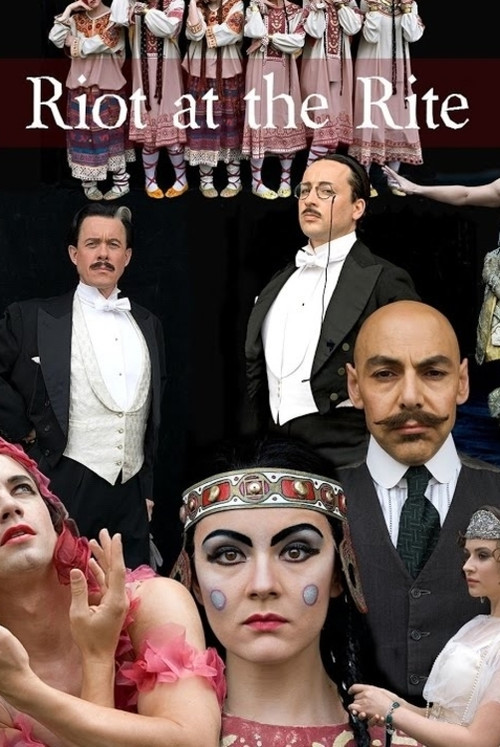
Riot at the Rite 2005
Riot at the Rite (2005) dives into the explosive cultural moment of May 1913 when Igor Stravinsky's avant-garde ballet *The Rite of Spring* premiered at Paris's Théâtre des Champs-Élysées.
Director: Andy Wilson
Cast

Frequently Asked Questions
What is Riot at the Rite (2005) about?
This 2005 drama reenacts the infamous 1913 Paris premiere of Igor Stravinsky's *The Rite of Spring*, where avant-garde art clashed with tradition, igniting a scandalous riot. The film follows the tense creative battles between Stravinsky, choreographer Vaslav Nijinsky, and the Ballet Russes' leader Sergei Diaghilev, exposing the raw passion behind one of history's most disruptive performances.
Who directed Riot at the Rite?
The film was directed by Andy Wilson, known for his work in historical and dramatic storytelling.
Who stars in Riot at the Rite?
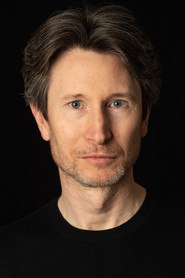
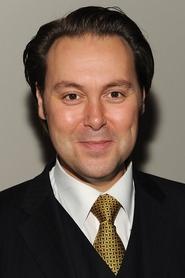
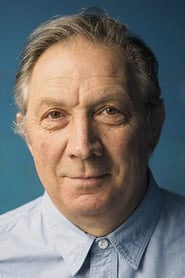
The cast is led by Adam Garcia as Vaslav Nijinsky, alongside Alex Jennings, Emma Pierson, Griff Rhys Jones, and Christian McKay.
Is Riot at the Rite (2005) worth watching?
With its gripping blend of drama and historical intrigue, *Riot at the Rite* is a standout for fans of artistic revolution and bold storytelling. While it may not boast mainstream fame, its themes of defiance and creativity resonate powerfully, offering a unique glimpse into a defining moment in cultural history.
How long is Riot at the Rite?
The film runs for 90 minutes.
About Riot at the Rite (2005) — The true story of the ballet that sparked a cultural earthquake
Riot at the Rite (2005) dives into the explosive cultural moment of May 1913 when Igor Stravinsky's avant-garde ballet *The Rite of Spring* premiered at Paris's Théâtre des Champs-Élysées. Directed by Andy Wilson, this historical drama captures the combustible tension between genius and convention, as composer Stravinsky, choreographer Vaslav Nijinsky, and impresario Sergei Diaghilev clash over an artistic revolution that would shatter expectations. With Adam Garcia and Alex Jennings leading a stellar cast, the film immerses viewers in the raw, chaotic energy of an era where art wasn't just questioned—it was fought over.
The atmosphere crackles with rebellion, both onstage and off, as Nijinsky's radical choreography meets Stravinsky's dissonant score, sparking a riot in the audience that echoed through the halls of history. Blending drama and historical authenticity, Wilson crafts a vivid portrayal of artistic defiance, where boundaries are pushed to their breaking point and beauty emerges from chaos.