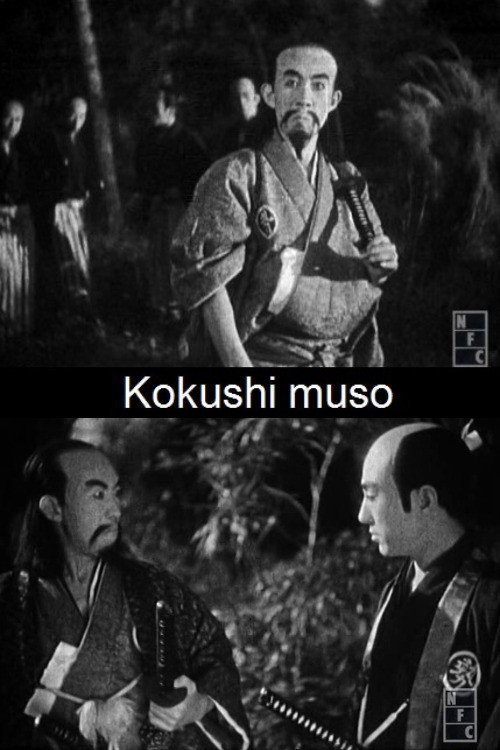
The Greatest Man in the World 1932
In the bleak shadow of the Great Depression, legendary Japanese filmmaker Mansaku Itami crafts a razor-sharp satire in *The Greatest Man in the World (1932)*, blending drama, action, and comedy into an unforgettable short.
Director: Mansaku Itami
Cast

Frequently Asked Questions
What is The Greatest Man in the World (1932) about?
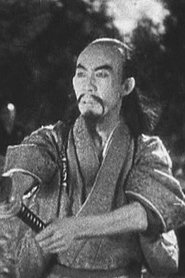
*The Greatest Man in the World* follows two greedy ronin who fabricate a legendary swordsman to extort dojo masters during Japan's Depression era. Their con spirals out of control when their fraudulent hero accidentally crosses paths with the real Isenokami, setting off a clash of pride and justice.
Who directed The Greatest Man in the World?
The film was directed by Mansaku Itami, a pioneering Japanese filmmaker known for his sharp wit and innovative storytelling in early 20th-century cinema.
Who stars in The Greatest Man in the World?
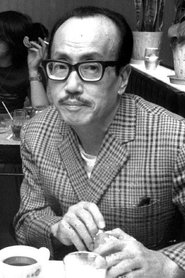
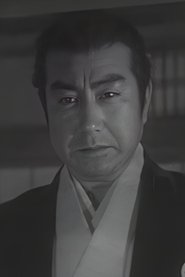
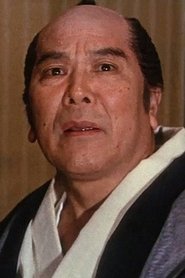
The film features Shuichiro Atsumi, Junzaburō Ban, and Chiezo Kataoka among its lead cast, alongside Isuzu Yamada and Ryōsuke Kagawa in pivotal roles.
Is The Greatest Man in the World (1932) worth watching?
As a 1932 Japanese short packed with drama, action, and biting comedy, *The Greatest Man in the World* offers a fascinating glimpse into pre-war filmmaking. Its clever plot and historical charm make it a must-see for fans of classic Japanese cinema, even with its unrated status on IMDb.
How long is The Greatest Man in the World?
The film has a runtime of 11 minutes.
About The Greatest Man in the World (1932) — A Classic Satirical Short by Mansaku Itami
In the bleak shadow of the Great Depression, legendary Japanese filmmaker Mansaku Itami crafts a razor-sharp satire in *The Greatest Man in the World (1932)*, blending drama, action, and comedy into an unforgettable short. The story follows two scheming ronin in post-feudal Japan, desperate to exploit the era's rigid social hierarchy through an audacious deception. They pluck a hapless country bumpkin from obscurity, rebrand him as the mythical Ise Isenokami—the greatest swordsman alive—and parade him before cowered dojo masters. Their ruse unravels only when the impostor's bravado leads him to rescue the real Isenokami's daughter, Oyae, forcing an explosive confrontation between fraud and reality. Itami's film is a biting commentary on identity, ambition, and the fragile illusion of power, wrapped in the taut pacing and punchy wit of 1930s Japanese cinema.
The Greatest Man in the World (1932) thrives on absurdity and tension, where every clanging katana and trembling dojo master underscores the absurdity of manufactured greatness. With a runtime of just 11 minutes, Itami packs in rich themes of deception and consequence, all while delivering a masterclass in visual storytelling. The film's humor cuts deep, reflecting a society grappling with economic despair and the hollow promises of upward mobility.