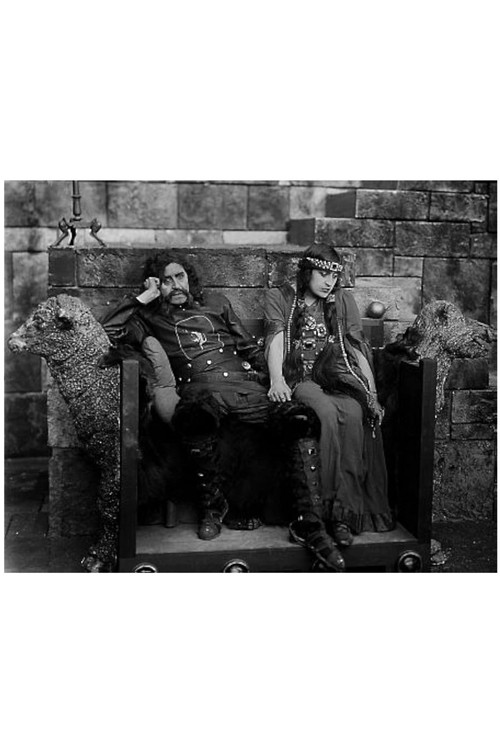
Macbeth 1916
Step back into 1916 with John Emerson's striking silent adaptation of Shakespeare's Macbeth, where Herbert Beerbohm Tree commands the screen as the ambitious Scottish lord whose ruthless pursuit of power ignites a spiral of treachery, bloodshed, and irreversible fate.
Director: John Emerson
Cast
Frequently Asked Questions
What is Macbeth (1916) about?
This silent-era adaptation brings Shakespeare's darkest tragedy to life, following Macbeth's descent from honorable warrior to tyrannical king after a fateful encounter with three witches. His unchecked ambition, stoked by his wife's ruthless cunning, leads to regicide and a reign built on blood and suspicion. By the end, paranoia and remorse consume him, culminating in a catastrophic fall from grace.
Who directed Macbeth?
Macbeth (1916) was directed by John Emerson, a filmmaker known for blending theatrical flair with early cinematic innovation.
Who stars in Macbeth?
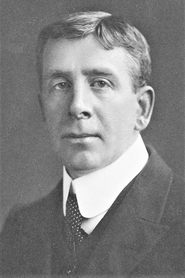
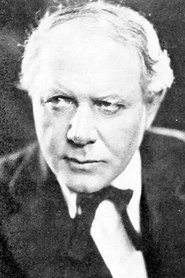
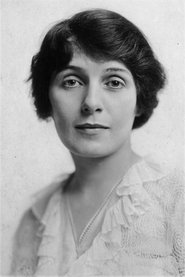
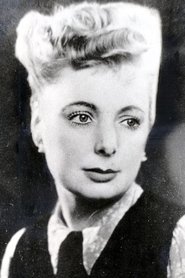
The film stars Herbert Beerbohm Tree as Macbeth, Constance Collier as Lady Macbeth, and features Wilfred Lucas, Spottiswoode Aitken, and Ralph Lewis in pivotal roles.
Is Macbeth (1916) worth watching?
Though unrated on IMDb, this silent adaptation is a compelling entry point for classic film lovers and Shakespeare enthusiasts. Its gothic visuals, strong performances, and adherence to the source material make it a worthwhile watch—if you can appreciate the nuances of early cinema. Just be prepared for its dated pacing and reliance on expressive acting over dialogue.
How long is Macbeth?
Macbeth (1916) runs for 80 minutes, offering a tight, focused retelling of the tragedy.
About Macbeth (1916) — A Silent Shakespearean Tragedy of Power and Guilt
Step back into 1916 with John Emerson's striking silent adaptation of Shakespeare's Macbeth, where Herbert Beerbohm Tree commands the screen as the ambitious Scottish lord whose ruthless pursuit of power ignites a spiral of treachery, bloodshed, and irreversible fate. The film immerses viewers in the eerie, candlelit corridors of medieval Scotland, where prophecies whisper through mist and ambition curdles into paranoia. Constance Collier's Lady Macbeth delivers a haunting performance, her steely resolve masking the fragility beneath, while the ensemble anchors the drama in raw emotional intensity. This early cinematic telling of Macbeth pulses with gothic atmosphere, blending history and tragedy into a hypnotic tragedy of moral collapse.
Macbeth (1916) remains a fascinating artifact of silent-era storytelling, where minimal intertitles heighten the power of expressive performances and shadow-drenched visuals. The themes of unchecked ambition and guilt transcend time, offering a chilling reflection on the cost of power. Emerson's direction balances grandeur with intimacy, ensuring the tragedy resonates even a century later, making it essential viewing for fans of classic cinema and Shakespearean drama alike.