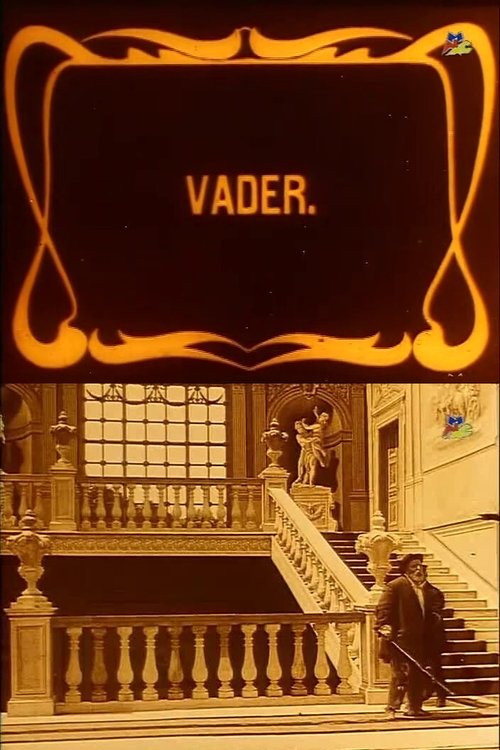
Padre 1912
Step into the silent-era drama *Padre (1912)*, a poignant exploration of family ties, sacrifice, and redemption set against the backdrop of early 20th-century Italy.
Director: Gino Zaccaria
Cast
Frequently Asked Questions
What is Padre (1912) about?
*Padre (1912)* delves into the emotional strain of a father torn between his family's expectations and his own heart. The story captures his internal struggle as he faces a pivotal decision that tests his loyalty and love, revealing the quiet heroism within ordinary lives.
Who directed Padre?
Padre was directed by Gino Zaccaria and Dante Testa, two influential figures in early Italian cinema whose collaboration shaped the film's dramatic tone.
Who stars in Padre?
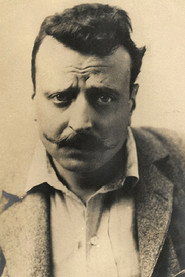
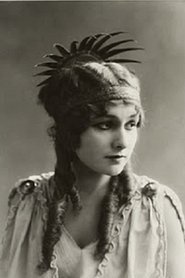
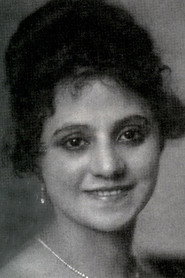
The film features Ermete Zacconi, Lidia Quaranta, Dante Testa, Giovanni Casaleggio, Febo Mari, and Valentina Frascaroli in its principal roles.
Is Padre (1912) worth watching?
While *Padre (1912)* lacks an IMDb rating, its historical significance, emotional storytelling, and standout performances make it a rewarding watch for silent film enthusiasts. The film's concise runtime and strong performances elevate it beyond a mere relic of early cinema.
How long is Padre?
Padre (1912) has a runtime of 39 minutes.
About Padre (1912) — Silent-Era Family Drama with Classic Performances
Step into the silent-era drama *Padre (1912)*, a poignant exploration of family ties, sacrifice, and redemption set against the backdrop of early 20th-century Italy. Directed by Gino Zaccaria and Dante Testa, this short film unfolds with emotional depth as it follows a father's struggle between duty and personal turmoil, revealing the sacrifices made in the name of love. The atmosphere is intimate yet stark, with Zaccaria and Testa crafting a narrative that balances quiet moments with dramatic tension, all within a concise 39-minute runtime. Starring the legendary Ermete Zacconi, Lidia Quaranta, and Dante Testa, the film blends naturalistic performances with a timeless story of moral conflict.
The film's focus on generational tension and moral dilemmas gives *Padre (1912)* a weight that transcends its era, making it a compelling watch for fans of early cinema and classic storytelling. Though the genre remains officially listed as unknown, its dramatic intensity aligns closely with the silent-era melodramas that defined Italian cinema of the time. With its evocative portrayal of human relationships, this short film remains a fascinating artifact for historians and cinephiles alike, offering a glimpse into the emotional and narrative ambitions of its creators.