Gold Fever 1912
In Ferdinand Zecca's gripping silent-era drama *Gold Fever (1912)*, Maxime Vermont's desperate financial straits push him toward moral ruin.
Director: Ferdinand Zecca
Cast
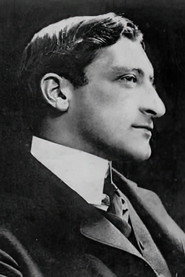
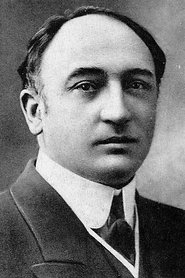

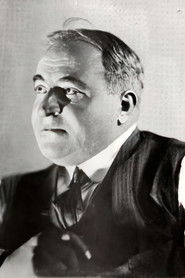

Frequently Asked Questions
What is Gold Fever (1912) about?
*Gold Fever (1912)* follows Maxime Vermont, a man drowning in debt and spurned by his father-in-law, who turns to crime to escape his financial nightmare. After a calculated act of betrayal, Maxime spirals into a life of deception, swindling the poor and celebrating his ill-gotten gains. The film explores the destructive power of greed and the lengths people will go to when cornered.
Who directed Gold Fever?
Ferdinand Zecca directed *Gold Fever (1912)*, known for his innovative storytelling in early French cinema.
Who stars in Gold Fever?
The film features Claude Garry as Maxime Vermont, with Stacia Napierkowska delivering a standout performance, supported by Louis Ravet, Henri Étiévant, and Henri Bosc.
Is Gold Fever (1912) worth watching?
While *Gold Fever (1912)* is a silent-era drama with limited accessibility, its themes of greed and moral decay remain relevant. Fans of vintage cinema or psychological thrillers may find its narrative and atmosphere intriguing, despite its age and lack of modern production values.
How long is Gold Fever?
The runtime for *Gold Fever (1912)* is approximately 47 minutes.
About Gold Fever (1912) — A Silent-Era Drama of Greed and Moral Collapse
In Ferdinand Zecca's gripping silent-era drama *Gold Fever (1912)*, Maxime Vermont's desperate financial straits push him toward moral ruin. Struggling under the weight of crushing debt and rebuffed by his father-in-law, Maxime turns to a twisted scheme inspired by a lurid pulp serial. His calculated betrayal sets off a chain reaction of greed and deceit, as he drains the savings of the vulnerable and indulges in reckless extravagance. Zecca crafts a tense, atmospheric tale that dissects ambition and desperation in early 20th-century France, where wealth and morality often collide.
This searing drama unfolds against a backdrop of societal tension, with Maxime's choices painting a stark portrait of human frailty in the face of financial ruin. Stacia Napierkowska's performance adds depth to the narrative, while Zecca's direction amplifies the film's noir-like shadows and morally ambiguous atmosphere. Whether viewed as a cautionary tale or a snapshot of its era, *Gold Fever (1912)* remains a compelling watch for fans of vintage cinema and psychological drama.