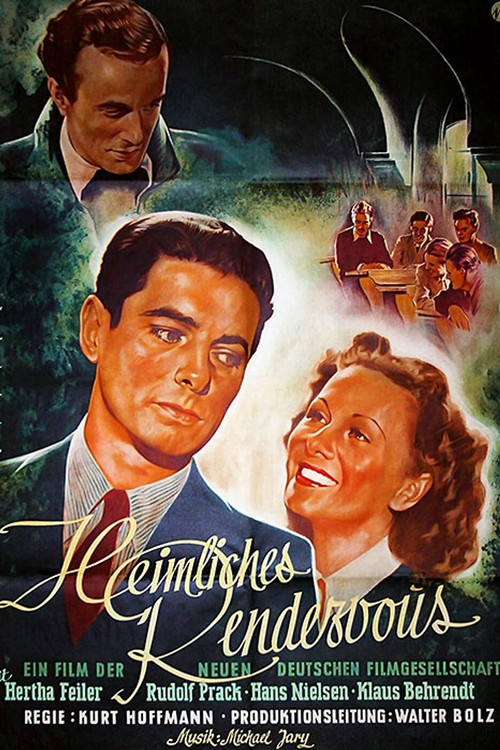
Heimliches Rendezvous 1949
In the charming yet restrictive atmosphere of a post-war German small town, *Heimliches Rendezvous* (1949) weaves a delightful comedy around the quiet chaos of bureaucracy and societal expectations.
Director: Kurt Hoffmann
Cast



Frequently Asked Questions
What is Heimliches Rendezvous (1949) about?
This German comedy follows a young teacher who must deny her marriage to keep her teaching license, only to find her husband's presence in town complicates her story. Set in a post-war small town, the film blends humor with the absurdity of bureaucratic rules and societal expectations.
Who directed Heimliches Rendezvous?
Kurt Hoffmann, known for his skillful direction of lighthearted yet socially astute comedies, helmed *Heimliches Rendezvous*.
Who stars in Heimliches Rendezvous?
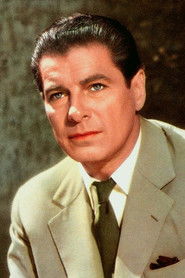
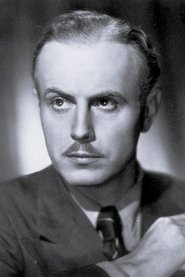
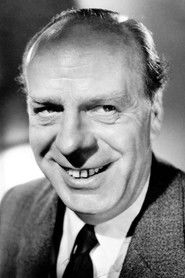
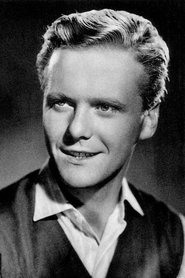
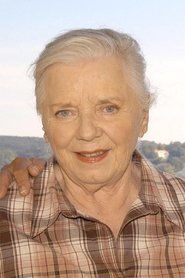
The film features Hertha Feiler and Rudolf Prack as the lead couple, supported by Klaus Behrendt, Ellen Schwiers, and Hans Nielsen.
Is Heimliches Rendezvous (1949) worth watching?
As a well-crafted comedy from the late 1940s, *Heimliches Rendezvous* offers a charming snapshot of post-war Germany with clever storytelling and engaging performances. While it may not boast modern production values, its themes of love and deception remain timeless and entertaining.
How long is Heimliches Rendezvous?
Runtime details are not listed.
About Heimliches Rendezvous (1949) — A Classic Comedy of Love, Lies, and Schoolroom Scandals
In the charming yet restrictive atmosphere of a post-war German small town, *Heimliches Rendezvous* (1949) weaves a delightful comedy around the quiet chaos of bureaucracy and societal expectations. Directed by the masterful Kurt Hoffmann, this film centers on a young teacher whose personal life unexpectedly collides with her professional ambitions. To secure her teaching license, she must declare herself unmarried—only to discover that her husband, a fellow educator at the local grammar school, is the very man whose presence complicates her claims. With a blend of witty dialogue and lighthearted tension, Hoffmann crafts a story that explores the absurdity of rules, the nuances of identity, and the delicate balance between duty and desire under the watchful eyes of a tight-knit community.
Star power shines through Hertha Feiler and Rudolf Prack, whose chemistry brings both warmth and humor to the screen. Backed by a talented ensemble including Klaus Behrendt and Ellen Schwiers, the film balances playful antics with subtle social commentary, making it a standout in late-1940s German cinema. Its nostalgic charm and clever storytelling continue to resonate with audiences drawn to classic comedies that mix romance, intrigue, and a touch of rebellion.