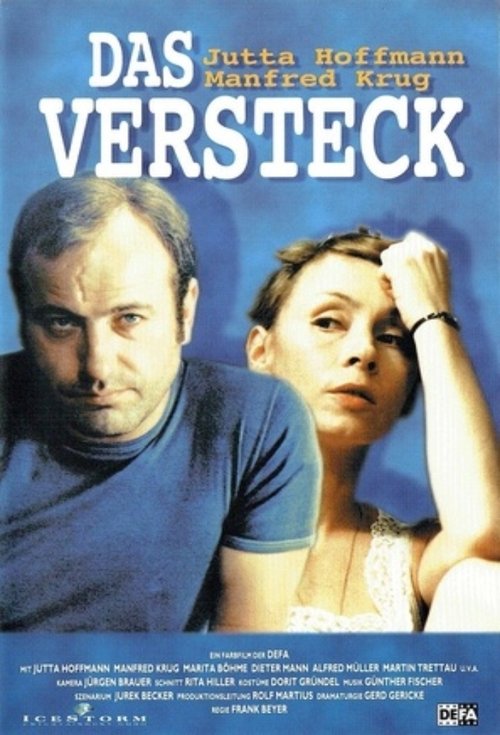
Das Versteck 1978
Frank Beyer's *Das Versteck* (1978) is a captivating East German drama that blends romance, dark humor, and psychological tension into a story of love, deception, and second chances.
Director: Frank Beyer
Cast





Frequently Asked Questions
What is Das Versteck (1978) about?
A year after their divorce, Max fabricates a police pursuit to manipulate his ex-wife Wanda into hiding him, reigniting her affection—only for her to discover his deception. The film explores the tension between love and betrayal in a tightly wound psychological drama.
Who directed Das Versteck?
Frank Beyer is the director behind *Das Versteck* (1978), known for his work in East German cinema.
Who stars in Das Versteck?
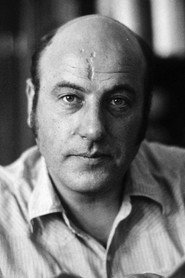
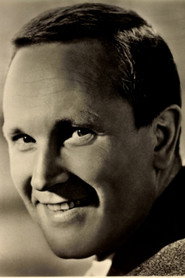
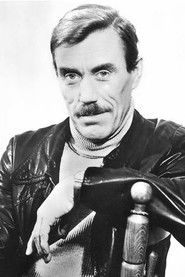
The film features standout performances from Jutta Hoffmann, Manfred Krug, and Marita Böhme, among others.
Is Das Versteck (1978) worth watching?
With its engaging blend of romance and dark comedy, *Das Versteck* is a compelling watch for fans of psychological dramas. Though unrated on IMDb, its themes and Beyer's direction make it a notable entry in 1970s East German cinema.
How long is Das Versteck?
Das Versteck runs for 95 minutes.
About Das Versteck (1978) — A Deceptive Romance with Frank Beyer's Sharp Drama
Frank Beyer's *Das Versteck* (1978) is a captivating East German drama that blends romance, dark humor, and psychological tension into a story of love, deception, and second chances. A year after his divorce from Wanda, Max is desperate to win her back and concocts an elaborate ruse, asking her to shelter him from the police—though no such threat exists. At first, Wanda resists his advances, but Max's charm and persistence slowly chip away at her resolve, even convincing her to cast aside her new lover. Their rekindled romance takes a sharp turn, however, when Wanda uncovers the truth behind Max's manipulations, exposing the fragility of trust and the lengths people go to for love.
Set against the backdrop of a stark, intimate domestic setting, *Das Versteck* explores themes of betrayal, redemption, and the blurred lines between manipulation and passion. With sharp dialogue and nuanced performances, Beyer crafts a film that keeps viewers guessing until the final reveal, making it a standout in East German cinema of the era.