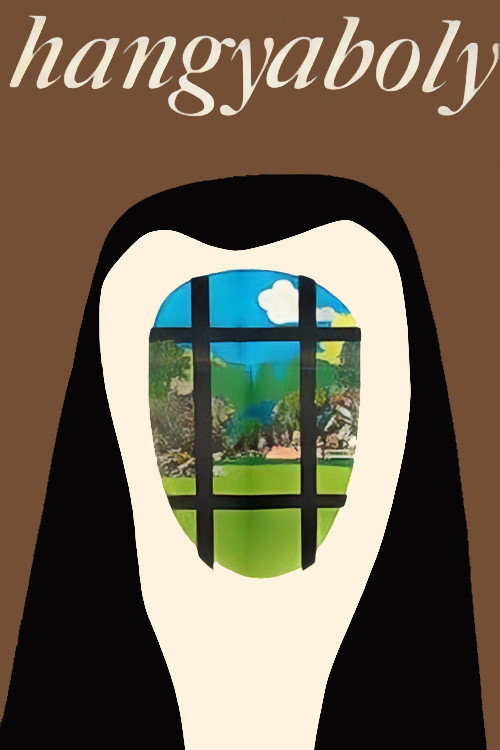
Ants' Nest 1971
In Zoltán Fábri's gripping 1971 drama *Ants' Nest*, a Hungarian nunnery becomes a battleground for tradition and progress as the elderly mother superior lies on her deathbed.
Director: Zoltán Fábri
Cast






Frequently Asked Questions
What is Ants' Nest (1971) about?
Zoltán Fábri's *Ants' Nest* follows a Hungarian convent in turmoil after its aging mother superior nears death, sparking a fierce power struggle between nuns clinging to tradition and younger sisters demanding modernity. The film explores themes of authority, freedom, and the collision between dogma and progress, all set against the backdrop of a rigid religious institution.
Who directed Ants' Nest?
Zoltán Fábri, the acclaimed Hungarian director known for his sharp social critiques and period dramas, helmed *Ants' Nest* in 1971.
Who stars in Ants' Nest?
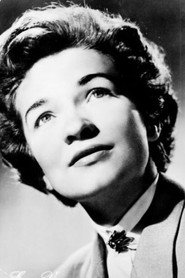
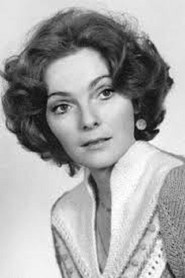
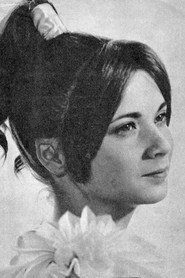
The film features standout performances from Éva Vass, Éva Pap, Mari Törőcsik, Jaroslava Schallerová, and Margit Makay as the nuns navigating their fractured community.
Is Ants' Nest (1971) worth watching?
Though unrated on IMDb, *Ants' Nest* is a compelling watch for fans of 1970s political and social dramas. Its themes of institutional rebellion resonate universally, and Fábri's direction infuses even quiet moments with tension. If you enjoy character-driven films with moral complexity, this hidden gem is well worth your time.
How long is Ants' Nest?
The film runs for 95 minutes, offering a tightly paced exploration of its intense narrative.
About Ants' Nest (1971) — A claustrophobic drama of faith, rebellion, and change in a Hungarian convent
In Zoltán Fábri's gripping 1971 drama *Ants' Nest*, a Hungarian nunnery becomes a battleground for tradition and progress as the elderly mother superior lies on her deathbed. The younger nuns, led by the fiery Virginia, push for sweeping reforms—modern education, secular science, and even basic comforts like indoor plumbing—while clashing with the older generation's rigid adherence to outdated dogma. Their bold candidate for the vacant leadership role, Magdolna, embodies this clash between piety and rebellion, having studied beyond the convent's walls. As tensions rise, the austere atmosphere of the cloister simmers with unrest, mirroring the societal shifts of 1970s Eastern Europe.
Éva Vass and Éva Pap deliver standout performances as conflicting forces within the sisterhood, anchoring a film that blends quiet introspection with explosive emotional confrontations. Fábri crafts a claustrophobic yet urgent portrait of institutional upheaval, where even the smallest freedoms feel like hard-won victories in a world designed to suppress them.