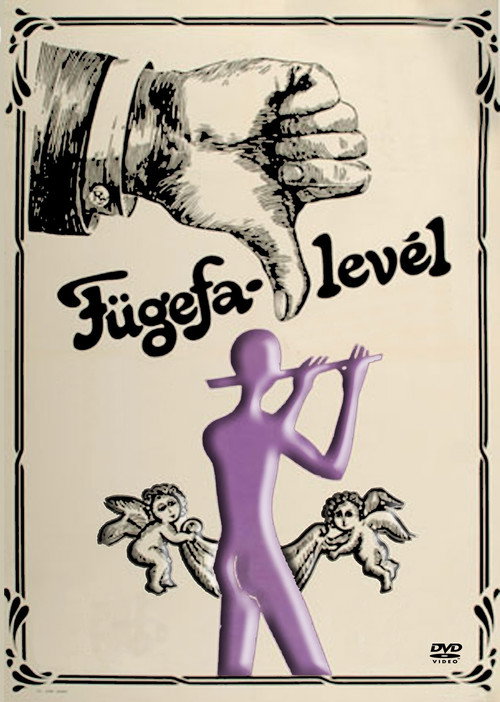
Fig-Leaf 1966
Fig-Leaf (1966), directed by Félix Máriássy, is a sharp Hungarian comedy that unfolds in the quaint town of Halmaz when a controversial nude sculpture of a boy is unveiled in the main square.
Director: Félix Máriássy
Cast


Frequently Asked Questions
What is Fig-Leaf (1966) about?
Fig-Leaf follows the scandal ignited by a nude statue in a Hungarian town, as locals clash over censorship and artistic freedom. The film centers on a young woman, Ancsa, who defies her conservative father's crusade against the sculpture, rallying her peers to challenge the town's hypocrisy. It's a sharp, comedic exploration of societal norms and generational divides.
Who directed Fig-Leaf?
Félix Máriássy directed Fig-Leaf (1966), bringing a keen eye for satire and social commentary to this Hungarian comedy.
Who stars in Fig-Leaf?
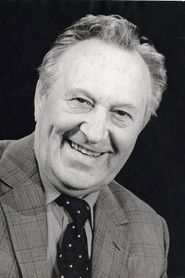
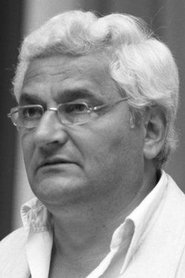
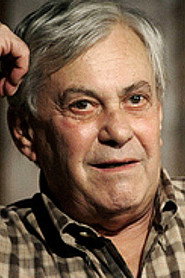
The film features a standout cast including Ferenc Bessenyei as the editor-in-chief, Judit Halász as his rebellious daughter Ancsa, and László Sinkó and Tamás Végvári as key members of the youth movement.
Is Fig-Leaf (1966) worth watching?
While not rated on IMDb, Fig-Leaf offers a witty, thought-provoking comedy that feels surprisingly modern in its themes. Fans of 1960s European cinema and satirical films will appreciate its blend of humor and social critique, even if it lacks the polish of bigger-budget releases.
How long is Fig-Leaf?
Fig-Leaf (1966) has a runtime of 81 minutes.
Fig-Leaf (1966): The Hungarian Satirical Comedy That Defied the Status Quo
Fig-Leaf (1966), directed by Félix Máriássy, is a sharp Hungarian comedy that unfolds in the quaint town of Halmaz when a controversial nude sculpture of a boy is unveiled in the main square. The conservative editor-in-chief of the local newspaper sparks outrage, branding the artwork as "bourgeois pornography," while his progressive daughter, Ancsa, rallies the town's youth to challenge the hypocrisy and prudish attitudes plaguing their community. The film blends satire with social commentary, exposing the absurdity of moral crusades through a playful yet incisive lens. With its witty dialogue and lively atmosphere, Fig-Leaf captures the tension between tradition and modernity in post-war Eastern Europe.
The story thrives on its ensemble cast, particularly Ferenc Bessenyei as the outspoken editor and Judit Halász bringing depth to Ancsa's rebellious spirit. Máriássy's direction infuses the film with a breezy charm, balancing humor with moments of genuine reflection. As the youth push back against societal constraints, the film invites viewers to question the thin line between censorship and artistry, all while delivering a delightfully irreverent take on small-town dynamics.