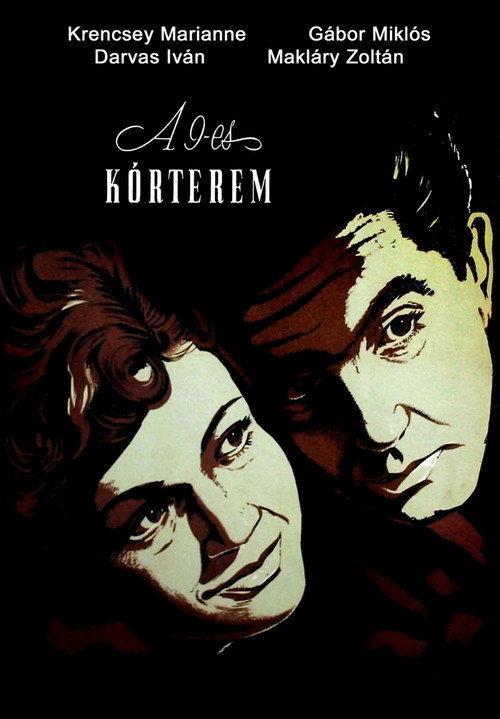
Ward No. 9 1955
In the tense, claustrophobic world of 1950s Hungary, Károly Makk's *Ward No. 9 (1955)* delivers a gripping drama set in the stark confines of a hospital ward.
Director: Károly Makk
Cast




Frequently Asked Questions
What is Ward No. 9 (1955) about?
The film centers on Tóth Gáspár, a worker whose sudden illness spirals into a nightmare when a negligent doctor fails to assist him. Trapped in Ward No. 9, he becomes a victim of bureaucracy and indifference, exposing the cracks in a healthcare system.
Who directed Ward No. 9?
Károly Makk directed *Ward No. 9*, crafting a stark, socially charged drama that critiques institutional neglect.
Who stars in Ward No. 9?
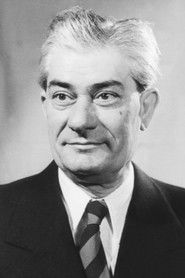
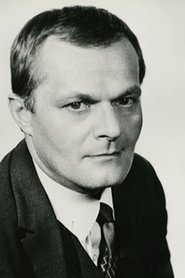
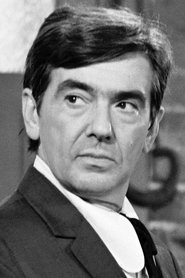
The film features Tibor Molnár as Tóth Gáspár, alongside Zoltán Makláry, Iván Darvas, Miklós Gábor, and Marianne Krencsey in pivotal roles.
Is Ward No. 9 (1955) worth watching?
*Ward No. 9* is a compelling watch for fans of classic drama and noir influences, though its bleak themes may not suit everyone. With a runtime of 92 minutes, it's a tight, emotionally charged story that offers more than just nostalgia.
How long is Ward No. 9?
The film runs for 92 minutes.
About Ward No. 9 (1955) — The Hospital Drama That Exposes Moral Failures
In the tense, claustrophobic world of 1950s Hungary, Károly Makk's *Ward No. 9 (1955)* delivers a gripping drama set in the stark confines of a hospital ward. The story follows Tóth Gáspár, a factory worker whose sudden stomach pains lead to a night of suffering as medical neglect unfolds around him. When nurse Margó's lover, Dr. Málnási, ignores desperate pleas for help, the film exposes the moral decay lurking beneath institutional bureaucracy. Shot in black-and-white, the movie thrives on themes of abandonment and human fragility, wrapping viewers in an atmosphere of quiet desperation.
With a stellar ensemble cast led by Tibor Molnár and Zoltán Makláry, *Ward No. 9* blends romance and drama into a raw, unforgettable narrative. Makk's direction crafts a suspenseful, almost noir-like tension, as the fate of a single man becomes a metaphor for systemic failure. The film's emotional punch lingers long after the credits roll.