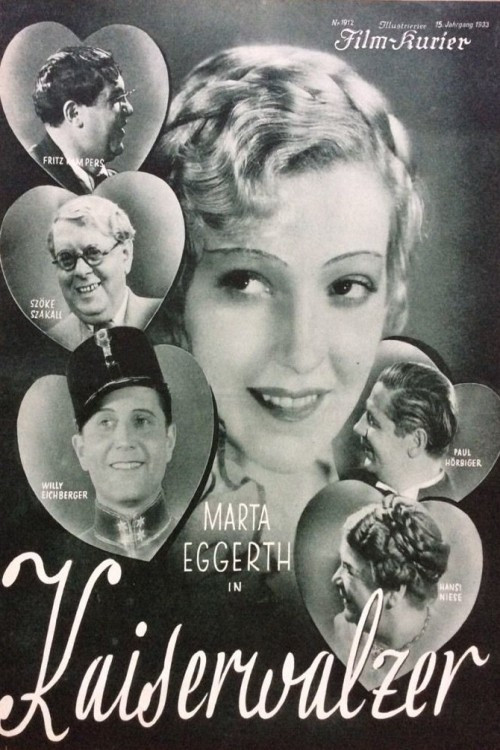
Kaiserwalzer 1933
Step back to the golden age of European cinema with *Kaiserwalzer* (1933), a sweeping drama set against the glittering backdrop of Vienna's imperial ballrooms.
Director: Frederic Zelnik
Cast




Frequently Asked Questions
What is Kaiserwalzer (1933) about?
*Kaiserwalzer* (1933) transports audiences to the lavish ballrooms of pre-war Vienna, where a spirited young woman navigates a love triangle between duty to her aristocratic family and her heart's desires. The film weaves a tale of romance, betrayal, and societal expectations, all set to the backdrop of the iconic waltz that gives it its name.
Who directed Kaiserwalzer?
Frederic Zelnik, a prolific director known for his work in German and Austrian cinema, helmed *Kaiserwalzer* (1933). His films often blended historical drama with musical elements, showcasing his versatility behind the camera.
Who stars in Kaiserwalzer?
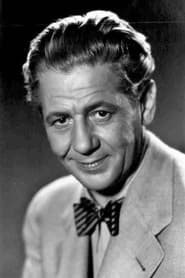
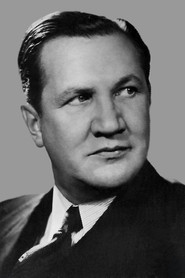
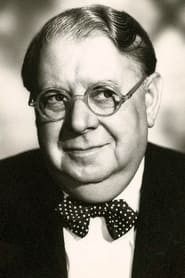
The film features a standout cast led by Mártha Eggerth, Paul Hörbiger, Fritz Kampers, S.Z. Sakall, and Trude Berliner, each bringing depth and charm to their roles.
Is Kaiserwalzer (1933) worth watching?
While it hasn't earned an IMDb rating, *Kaiserwalzer* (1933) offers a rare glimpse into the golden age of European cinema, with its historical setting, musical score, and strong performances making it a rewarding watch for fans of vintage drama and classical music.
How long is Kaiserwalzer?
Runtime details for *Kaiserwalzer* (1933) are not listed.
About Kaiserwalzer (1933) — A Romantic Drama Set in Vienna's Imperial Golden Age
Step back to the golden age of European cinema with *Kaiserwalzer* (1933), a sweeping drama set against the glittering backdrop of Vienna's imperial ballrooms. Directed by the versatile Frederic Zelnik, this film blends historical romance with a hauntingly beautiful musical score, transporting viewers to an era where waltzes and whispered secrets intertwined. Mártha Eggerth's luminous performance anchors the story as a spirited young woman caught between duty and desire, while Paul Hörbiger lends gravitas as the charming yet conflicted lead. The movie's lush cinematography and melancholic melodies evoke both the grandeur and fragility of a fading empire, making it a poignant exploration of love and loss.
Though modest in scale by today's standards, *Kaiserwalzer* (1933) shines as a testament to the craftsmanship of early German-language cinema. Zelnik's direction balances dramatic tension with musical interludes, creating a rhythm that mirrors the rise and fall of its central romance. The film's themes of nostalgia, social hierarchy, and fleeting youth resonate as strongly today as they did in the 1930s, offering a window into a world where every dance carried the weight of history. With its star-studded cast and timeless score, this cinematic gem remains a must-see for fans of vintage drama and classical music alike.