Only a Woman 1962
In the 1962 German drama-romance Only a Woman, acclaimed actress Maria Schell stars as a psychotherapist whose own emotional struggles and deep-seated fears keep her from finding love in her personal life.
Director: Alfred Weidenmann
Cast

Frequently Asked Questions
What is Only a Woman (1962) about?
The film follows a psychotherapist whose own fears and neuroses sabotage her love life, leading to a series of comedic and dramatic complications. As she tries to navigate her patients' romantic struggles, she's forced to face her own emotional barriers.
Who directed Only a Woman?
Only a Woman was directed by Alfred Weidenmann, a filmmaker known for his work in German cinema during the mid-20th century.
Who stars in Only a Woman?
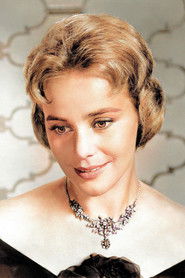
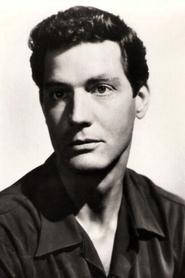
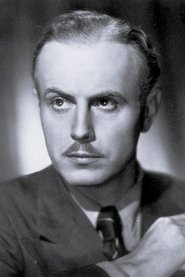
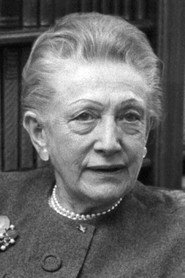
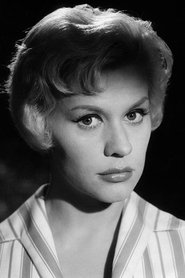
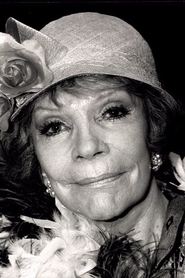
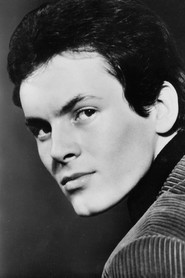
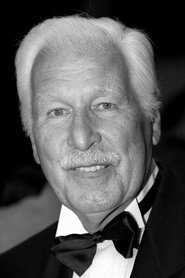
The film features Maria Schell, Paul Hubschmid, Hans Nielsen, and Agnes Windeck in lead roles, alongside Ingrid van Bergen and Hannelore Auer.
Is Only a Woman (1962) worth watching?
While not rated on IMDb, Only a Woman is a charming and reflective drama that blends romance with psychological depth. Its strong performances and thoughtful themes make it a worthwhile watch for fans of mid-century European cinema.
How long is Only a Woman?
Only a Woman has a runtime of 86 minutes.
About Only a Woman (1962) — A Romantic Drama on Love and Emotional Healing
In the 1962 German drama-romance Only a Woman, acclaimed actress Maria Schell stars as a psychotherapist whose own emotional struggles and deep-seated fears keep her from finding love in her personal life. Alfred Weidenmann directs this poignant exploration of neuroses and human connection, weaving together a story that's equal parts heartfelt and humorous. Set against the backdrop of mid-century Europe, the film blends romance, drama, and subtle comedy to examine the delicate balance between helping others and confronting one's own vulnerabilities. With sharp dialogue and a keen eye for character depth, Only a Woman (1962) offers a reflective yet engaging journey into the complexities of love and self-discovery.
The atmosphere is intimate and introspective, capturing the quiet desperation of a woman caught in her own emotional web. As she navigates her patients' romantic entanglements, she's forced to confront her own unresolved issues, creating a narrative that's as much about personal growth as it is about the universal search for happiness. Schell's performance anchors the film, making it a standout entry in the genre of psychological dramas from the era.