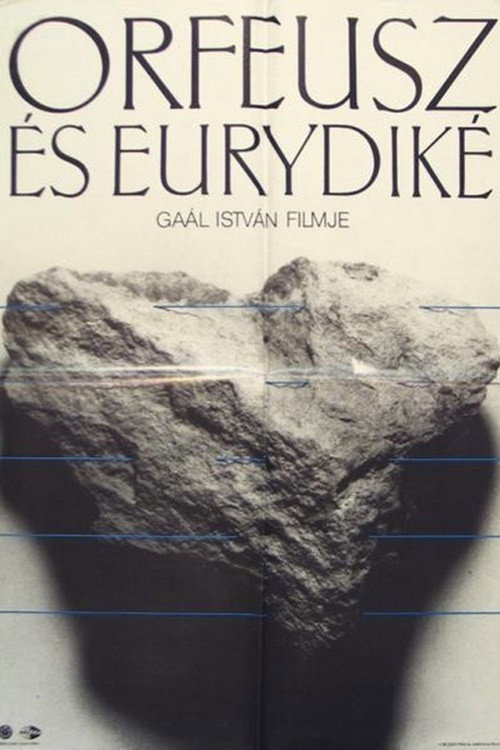
Orpheus and Eurydice 1986
István Gaál's 1986 opera-film *Orpheus and Eurydice* reimagines the timeless Greek myth through a hauntingly poetic lens.
Director: István Gaál
Cast

Frequently Asked Questions
What is Orpheus and Eurydice (1986) about?
This atmospheric opera-film follows Orpheus as he journeys into the underworld to rescue his beloved Eurydice, but his journey hinges on a single impossible condition: he must not look at her until they escape. The film explores how love's power is undone by doubt and human frailty.
Who directed Orpheus and Eurydice?
István Gaál directed this 1986 opera-film, infusing the Greek myth with stark visual poetry and emotional depth.
Who stars in Orpheus and Eurydice?
Sándor Téri stars as Orpheus, with Lajos Miller and Enikő Eszenyi among the key cast members bringing the tragic tale to life.
Is Orpheus and Eurydice (1986) worth watching?
While the film isn't widely rated, its unique blend of drama, opera, and mythical storytelling makes it a compelling watch for fans of poetic cinema and classical retellings. The focus on Orpheus's flaws adds a refreshing layer of humanity to an ancient legend.
How long is Orpheus and Eurydice?
Orpheus and Eurydice (1986) runs for 95 minutes.
About Orpheus and Eurydice (1986): A Haunting Opera-Film on Love and Loss
István Gaál's 1986 opera-film *Orpheus and Eurydice* reimagines the timeless Greek myth through a hauntingly poetic lens. Unlike Gluck's classic operatic adaptation, this version strips away grand performances to focus on raw emotion, where the legendary lyre player Orpheus must confront his own humanity as he descends into the underworld to reclaim his lost love, Eurydice. Directed with a stark, atmospheric style, the film explores themes of grief, artistic passion, and the fragility of trust. Sándor Téri delivers a deeply moving performance as Orpheus, while Lajos Miller and Enikő Eszenyi round out the cast with performances that linger long after the final scene. Set against a backdrop of shadowy corridors and ethereal landscapes, Gaál crafts a visually stunning meditation on love's power—and its inevitable limits.
The story unfolds as Amor, touched by Orpheus's sorrow, offers a single chance to bring Eurydice back—but warns him must resist the urge to look at her until they reach the surface. What makes Gaál's take unique is its emphasis on Orpheus's flaws, revealing how even the greatest artistry can crumble under the weight of human doubt. The result is a film that lingers in the mind like a half-remembered dream, blending drama and music into a tragic yet transcendent experience.