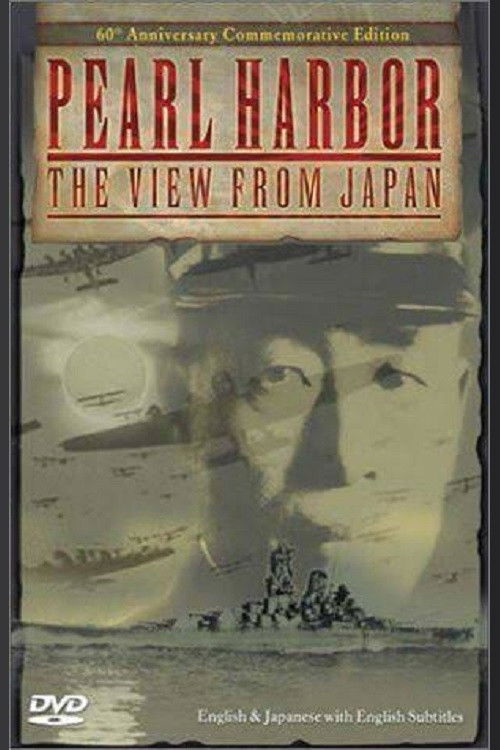
Pearl Harbor: The View from Japan 1994
Step back from the usual American perspective and explore the dramatic lead-up to Pearl Harbor through the eyes of Admiral Isoroku Yamamoto in Kunio Kurita's compelling 1994 documentary, *Pearl Harbor: The View from Japan*.
Director: Kunio Kurita
Cast

Frequently Asked Questions
What is Pearl Harbor: The View from Japan (1994) about?
This documentary re-examines the 1941 attack on Pearl Harbor from the strategic viewpoint of Admiral Isoroku Yamamoto, whose foresight and misgivings are explored alongside the political and military forces that shaped Japan's fateful decision.
Who directed Pearl Harbor: The View from Japan?
Kunio Kurita directed this historical documentary, offering a rare Japanese lens on one of World War II's most pivotal events.
Who stars in Pearl Harbor: The View from Japan?
The film features narration by Mizuho Suzuki, anchoring the documentary with a clear, compelling voice.
Is Pearl Harbor: The View from Japan (1994) worth watching?
As a war documentary that challenges conventional narratives, *Pearl Harbor: The View from Japan* offers a thought-provoking 70-minute exploration for history enthusiasts seeking a balanced perspective. Its concise runtime and focused angle make it a rewarding watch.
How long is Pearl Harbor: The View from Japan?
The film runs approximately 70 minutes.
About Pearl Harbor: The View from Japan (1994) — The Japanese Admiral's Unseen Perspective
Step back from the usual American perspective and explore the dramatic lead-up to Pearl Harbor through the eyes of Admiral Isoroku Yamamoto in Kunio Kurita's compelling 1994 documentary, *Pearl Harbor: The View from Japan*.
This 70-minute war documentary flips the script on history, presenting the meticulously planned air raid on December 7, 1941, not through triumphant hindsight but through the strategic mind of Japan's most visionary naval commander. Narrated with quiet intensity by Mizuho Suzuki, the film delves into Yamamoto's internal conflict—his prescient warnings against war with the U.S. and his fateful decision to execute the surprise assault. The result is a haunting meditation on ambition, responsibility, and the unpredictable ripple effects of military ambition, framed against stark archival footage and measured reflection.