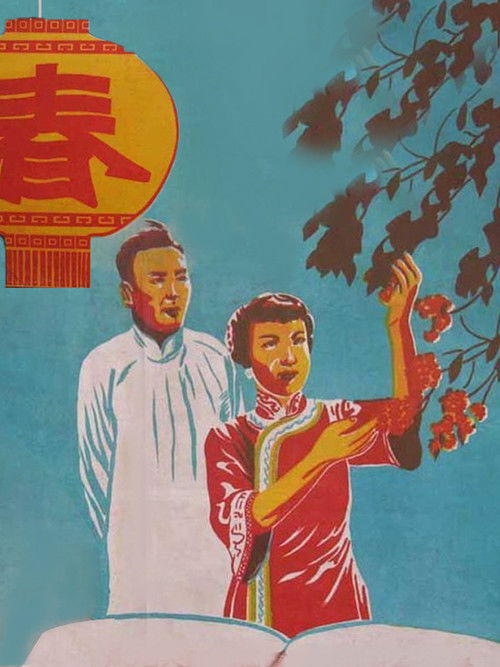
Spring 1953
Spring (1953), a poignant Hong Kong drama by director Lee Sun-fung, unfolds against the backdrop of 1950s tradition and heartache. The story centers on Ko Suk-ying, whose father arranges her marriage, a decision that weighs heavily on her spirit.
Director: Lee Sun-fung
Cast
Frequently Asked Questions
What is Spring (1953) about?
Spring follows Ko Suk-ying, whose arranged marriage saddens her spirit, while her cousin Chow Wai faces a loveless betrothal. When Sun, the man Wai loves, learns of her feelings too late, family crises unfold under the weight of tradition and social expectations.
Who directed Spring?
Spring was directed by Lee Sun-fung, a prominent figure in early Hong Kong cinema known for his emotionally resonant storytelling.
Who stars in Spring?
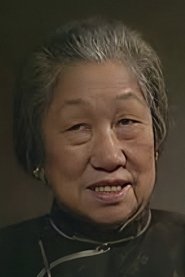
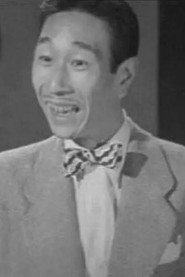
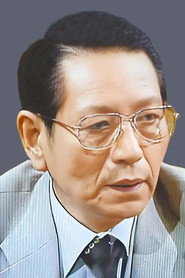
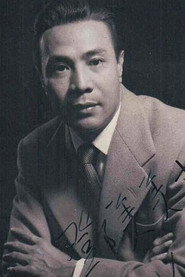
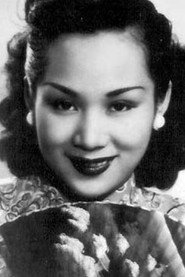
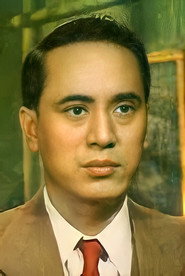
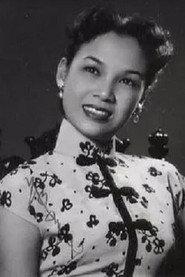
The film features Chan Lap-Ban, Chow Chi-Sing, Fung Yik-Mei, Ho Bik-Kin, and Ng Cho-Fan in lead roles, with Pak Yin adding depth to the ensemble.
Is Spring (1953) worth watching?
As a classic drama from 1953, Spring offers a window into mid-century Hong Kong society and emotional struggles. While unrated on IMDb, its themes of love and tradition remain compelling for fans of vintage cinema and character-driven narratives.
How long is Spring?
Spring runs for 117 minutes, a concise runtime that packs emotional depth into a powerful viewing experience.
About Spring (1953) — A Classic Drama of Love, Duty, and Silent Sorrow
Spring (1953), a poignant Hong Kong drama by director Lee Sun-fung, unfolds against the backdrop of 1950s tradition and heartache. The story centers on Ko Suk-ying, whose father arranges her marriage, a decision that weighs heavily on her spirit. Meanwhile, her cousin Chow Wai faces a similarly constrained future, her love for Sun stifled by societal expectations and her impending betrothal. As family tensions rise and personal longings remain unfulfilled, a family crisis forces Sun to confront his own powerlessness—unable to challenge tradition even as those he cares for suffer. The film masterfully captures the quiet despair and cultural constraints of its era through stark visuals and deeply emotional performances, blending family drama with themes of duty, sacrifice, and the fading light of hope.
Tragedy and family loyalty collide in Spring as secrecy and tradition bind the characters' choices. The looming Mid-Autumn Festival becomes a symbol of both celebration and sorrow, where personal yearnings are buried under obligation. Director Lee Sun-fung crafts a meditative atmosphere where every gesture and glance speaks volumes, painting a portrait of a society in transition—where change is whispered, and silence speaks louder than words.