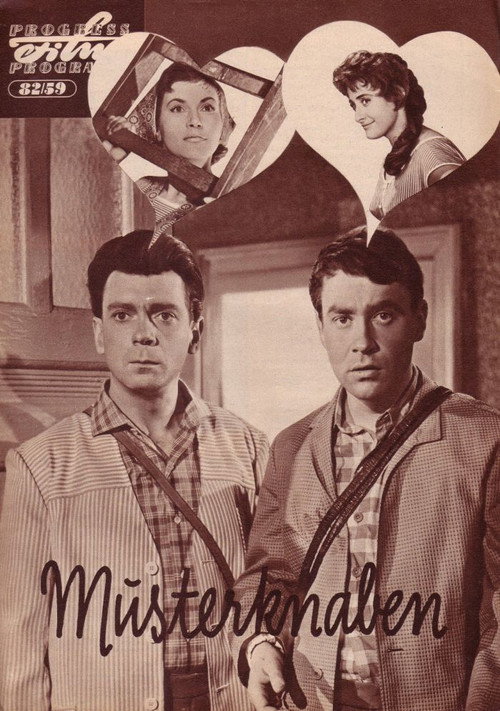
Musterknaben 1959
In the lighthearted 1959 East German comedy *Musterknaben*, young building workers Hartmut Reck and Rolf Herricht would rather chase after girls than hammer another nail.
Director: Johannes Knittel
Cast
Frequently Asked Questions
What is Musterknaben (1959) about?
This East German comedy follows two young construction workers whose obsession with romance lands them in hot water with both their bosses and their families. Their playful defiance of duty turns daily life into a series of mishaps, blending humor with a light critique of youthful priorities.
Who directed Musterknaben?
Musterknaben was directed by Johannes Knittel, a filmmaker known for his work in mid-century East German cinema.
Who stars in Musterknaben?
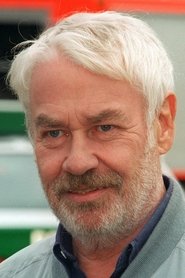
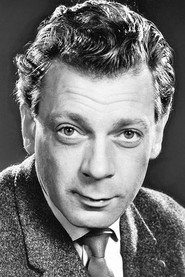
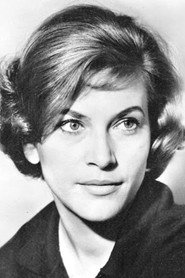
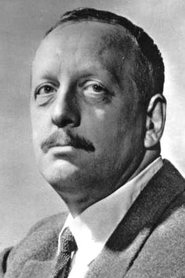
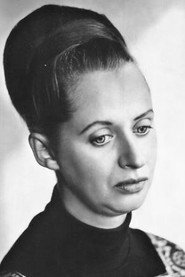
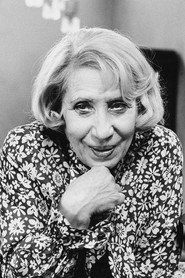
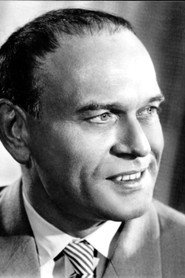
The film features a charming ensemble led by Hartmut Reck, Rolf Herricht, Brigitte Krause, and Erwin Geschonneck.
Is Musterknaben (1959) worth watching?
While not rated on IMDb, *Musterknaben* offers a nostalgic peek into 1950s German life through its sharp, accessible humor. Fans of classic comedies and period piece fans may find its lighthearted take on generational clashes delightfully refreshing.
How long is Musterknaben?
Musterknaben runs for 74 minutes—just enough for a sunny afternoon of laughs.
About Musterknaben (1959) — East German Comedy Where Love Builds Chaos, Not Walls
In the lighthearted 1959 East German comedy *Musterknaben*, young building workers Hartmut Reck and Rolf Herricht would rather chase after girls than hammer another nail. Their playful priorities soon spark chaos not just at the construction site but also back home, where parents and partners are left exasperated by their antics. Directed by Johannes Knittel with a keen eye for everyday humor, the film captures the irresistible pull of youthful distraction against the backdrop of post-war routine.
With its breezy pacing and relatable themes of responsibility, romance, and the generational gap, *Musterknaben (1959)* balances gentle satire with warm-hearted farce. The ensemble cast—including Brigitte Krause and Erwin Geschonneck—delivers performances that feel both timeless and distinctly grounded in their 1950s setting.