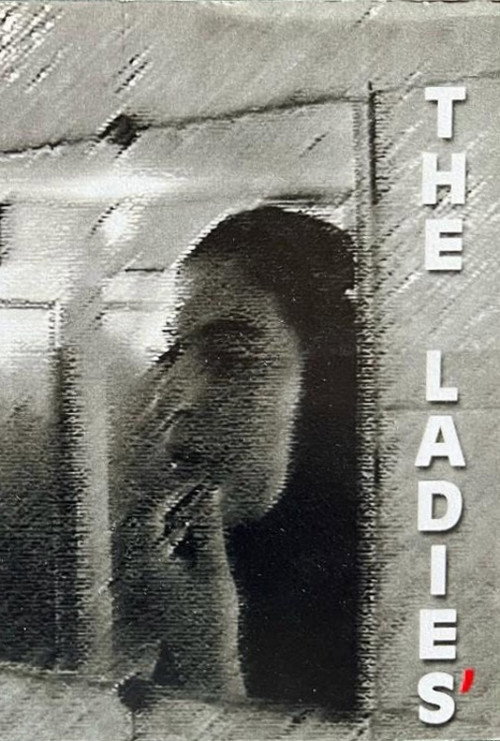
The Ladies' 2003
Directed by Mahnaz Afzali, *The Ladies'* (2003) is a raw and insightful documentary that captures the unfiltered conversations of women in a Tehran park restroom.
Director: Mahnaz Afzali
Frequently Asked Questions
What is *The Ladies'* (2003) about?
*The Ladies'* offers an unfiltered glimpse into the lives of women in Iran, set against the backdrop of a Tehran park restroom. Through intimate conversations, the documentary explores themes of abuse, family dynamics, religion, and personal freedom, revealing the complexities of womanhood in a restrictive society.
Who directed *The Ladies'*?
Mahnaz Afzali directed *The Ladies'* (2003), crafting a documentary that balances personal stories with broader social commentary.
Who stars in *The Ladies'*?
The documentary features real-life women from Tehran, whose identities and stories drive the narrative forward.
Is *The Ladies'* (2003) worth watching?
*The Ladies'* is a compelling watch for those interested in social documentaries and Iranian culture. Its raw authenticity and thought-provoking themes make it a standout in its genre, even if it's a niche pick for casual viewers.
How long is *The Ladies'*?
*The Ladies'* runs for 55 minutes, offering a concise yet impactful cinematic experience.
About The Ladies' (2003) — A candid documentary on Iranian women's lives in Tehran
Directed by Mahnaz Afzali, *The Ladies'* (2003) is a raw and insightful documentary that captures the unfiltered conversations of women in a Tehran park restroom. Over 55 minutes, the film peels back layers of Iranian society, revealing intimate stories about family struggles, personal relationships, and societal expectations.
Set in a space where women can speak freely, the documentary transforms an ordinary restroom into a confessional stage. Through candid discussions, the women tackle taboo subjects like abuse, religion, and sexuality, creating a poignant snapshot of resilience and vulnerability. Afzali's lens turns this everyday setting into a powerful commentary on womanhood in Iran, blending personal narratives with broader cultural themes.