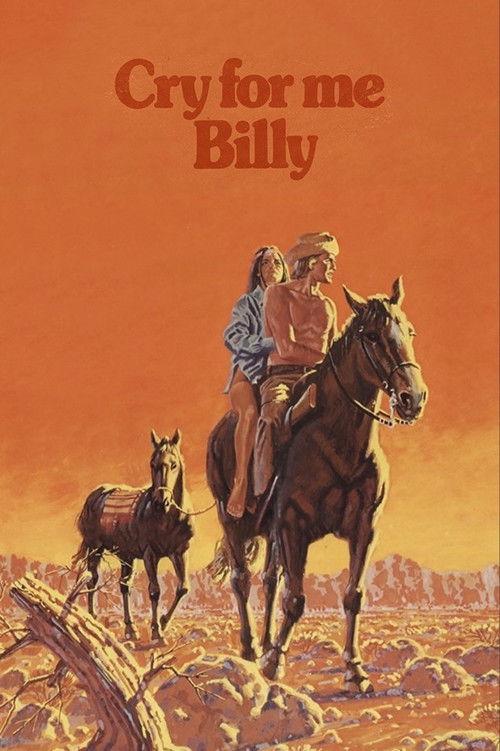
Cry for Me, Billy 1972
In this haunting 1972 Western, a wandering soul stumbles into a remote frontier outpost where fate intertwines with tragedy. *Cry for Me, Billy* follows a drifter, caught between the rugged beauty of the American West and an impossible love for a Native American woman.
Director: William A. Graham
Cast


Frequently Asked Questions
What is Cry for Me, Billy (1972) about?
*Cry for Me, Billy* explores the poignant yet tragic romance between a drifter and a Native American woman in the untamed American West. Their fleeting connection spirals into heartbreak as cultural barriers and harsh realities collide, leaving an indelible mark on both characters.
Who directed Cry for Me, Billy?
The film was directed by William A. Graham, a filmmaker known for his work in television and cinema during the 1970s.
Who stars in Cry for Me, Billy?
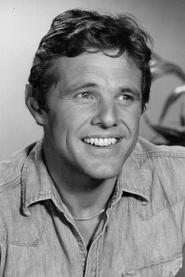
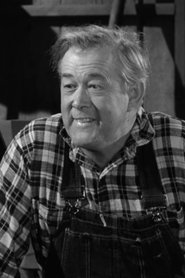
The film features Cliff Potts as the drifter, alongside Maria Potts, Harry Dean Stanton, Don Wilbanks, and James Gammon in key roles.
Is Cry for Me, Billy (1972) worth watching?
While not widely celebrated today, *Cry for Me, Billy* offers a compelling take on Western romance and tragedy. Its atmospheric storytelling and strong performances make it a hidden gem for fans of 1970s Westerns. However, its unrated status may leave some viewers wanting more context behind its narrative.
How long is Cry for Me, Billy?
*Cry for Me, Billy* runs for 93 minutes, offering a tightly paced narrative perfect for a single viewing session.
About Cry for Me, Billy (1972) — A Forgotten Western Masterpiece of Love and Tragedy
In this haunting 1972 Western, a wandering soul stumbles into a remote frontier outpost where fate intertwines with tragedy. *Cry for Me, Billy* follows a drifter, caught between the rugged beauty of the American West and an impossible love for a Native American woman. Directed by William A. Graham, the film weaves themes of cultural clash and doomed romance against a stark, sun-bleached landscape. Cliff Potts delivers a standout performance as the restless drifter, while Harry Dean Stanton and James Gammon add depth to the ensemble cast. The story unfolds with a melancholic realism, blending the raw spirit of the frontier with the sorrow of love lost.
A meditation on loneliness and longing, the film captures the isolation of the American West in the 1800s while exploring the personal demons of its protagonist. The cinematography enhances the mood, evoking the vastness of the terrain and the quiet desperation of its characters. With its poignant narrative and powerful performances, *Cry for Me, Billy* stands as a subtle yet memorable entry in the Western genre.