I Want to Betray My Husband 1925
In Mario Camerini's delightful early Italian comedy *I Want to Betray My Husband* (1925), Count De Cay's peaceful marriage hits a snag when an innocent reunion with an old flame stirs up trouble.
Director: Mario Camerini
Cast



Frequently Asked Questions
What is I Want to Betray My Husband (1925) about?
The film follows Count De Cay, whose quiet life unravels when an old flame resurfaces, drawing the disapproval of his strict uncles. Their meddling threatens to tarnish his wife's reputation, forcing the count to navigate a web of social expectations and comedic misunderstandings.
Who directed I Want to Betray My Husband?
Mario Camerini directed the film, helming a lighthearted comedy that blends humor with the social nuances of early 20th-century Italy.
Who stars in I Want to Betray My Husband?
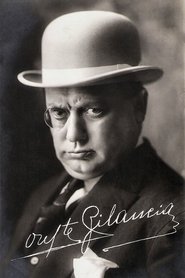
The film features Augusto Bandini, Lidia Quaranta, Oreste Bilancia, Alberto Collo, and Luigi Serventi in key roles.
Is I Want to Betray My Husband (1925) worth watching?
Though it's a silent-era comedy, *I Want to Betray My Husband* offers a charming glimpse into early Italian filmmaking. Its blend of humor and social satire makes it a delightful watch for fans of classic comedies, especially those interested in the evolution of silent film.
How long is I Want to Betray My Husband?
The film runs for 56 minutes, a compact runtime typical of early soundless features.
About I Want to Betray My Husband (1925) — A Silent Comedy of Mistaken Intentions
In Mario Camerini's delightful early Italian comedy *I Want to Betray My Husband* (1925), Count De Cay's peaceful marriage hits a snag when an innocent reunion with an old flame stirs up trouble. The count's elderly uncles, guardians of propriety, swoop in to warn his wife, setting off a chain of misunderstandings that twist into a farcical tangle of loyalty and deception. Set against a backdrop of aristocratic elegance, the film balances lighthearted wit with the subtle tensions of social expectations, all wrapped in the playful rhythms of silent-era storytelling.
The story thrives on the contrast between Count De Cay's genuine affection for his wife and the whirlwind of gossip that arises from a chance encounter. With a gentle touch, Camerini explores themes of trust and reputation, all while keeping the tone breezy and engaging. The supporting cast, including Lidia Quaranta and Oreste Bilancia, bring charm and depth to the ensemble, turning what could have been a simple farce into a nuanced snapshot of early 20th-century manners and morality.