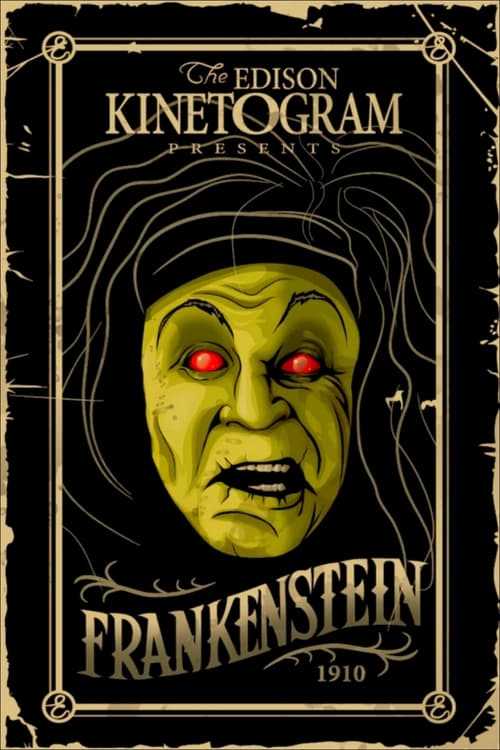
Frankenstein 1910
Step back to 1910, when cinema was just learning to speak, and witness the very first cinematic brush with Mary Shelley's immortal tale. J.
Director: J. Searle Dawley
Cast
Frequently Asked Questions
What is Frankenstein (1910) about?
The silent short reimagines Mary Shelley's classic tale as a quiet tragedy of scientific overreach. A young doctor, seeking to forge the ideal human, instead awakens a grotesque being. His creation haunts him, returning on his wedding night with vengeful fury.
Who directed Frankenstein?
J. Searle Dawley directed *Frankenstein (1910)*. Known for his innovative early cinema, Dawley helped pioneer the horror genre with this stark, expressionist-inspired short.
Who stars in Frankenstein?
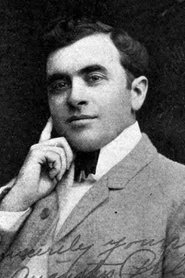
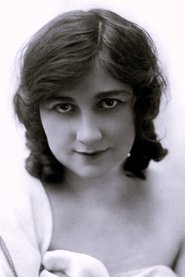
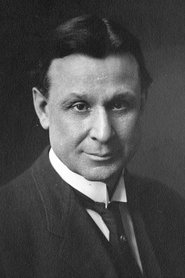
The film stars Augustus Phillips as the tormented doctor, Mary Fuller as his fiancée, and Charles Ogle as the iconic monster.
Is Frankenstein (1910) worth watching?
As a historical artifact, *Frankenstein (1910)* is essential viewing for silent film enthusiasts and horror purists. While it lacks modern pacing, its gothic mood and thematic depth make it a fascinating glimpse into cinema's earliest experiments with the macabre.
How long is Frankenstein?
The 1910 version of *Frankenstein* runs for 14 minutes.
🎥 Trailer
About Frankenstein (1910): The First Cinematic Monster and Its Tragic Birth
Step back to 1910, when cinema was just learning to speak, and witness the very first cinematic brush with Mary Shelley's immortal tale. J. Searle Dawley crafts *Frankenstein (1910)* with striking visual economy, turning a 14-minute short into a haunting meditation on ambition, godhood, and the unintended consequences of playing creator. The film strips the story down to its moral core: a young medical student, desperate to sculpt perfection, awakens something monstrous instead. Haunted by his creation, he seeks solace from his fiancée, only to face the creature's vengeful return on a night meant for celebration. Shot in stark chiaroscuro, the movie pulses with gothic dread and early cinematic poetry, grounding Shelley's themes in the flickering silence of silent film.
Though primitive by today's standards, *Frankenstein (1910)* crackles with raw imagination, foreshadowing a century of adaptations. It's less about spectacle than atmosphere—where shadows stretch like guilt and science becomes a Faustian bargain. Dawley's direction leans into the uncanny, making every frame feel like a macabre daguerreotype. For fans of horror's earliest whispers or early cinema's daring experiments, this 14-minute relic remains a chilling time capsule of vision and hubris.