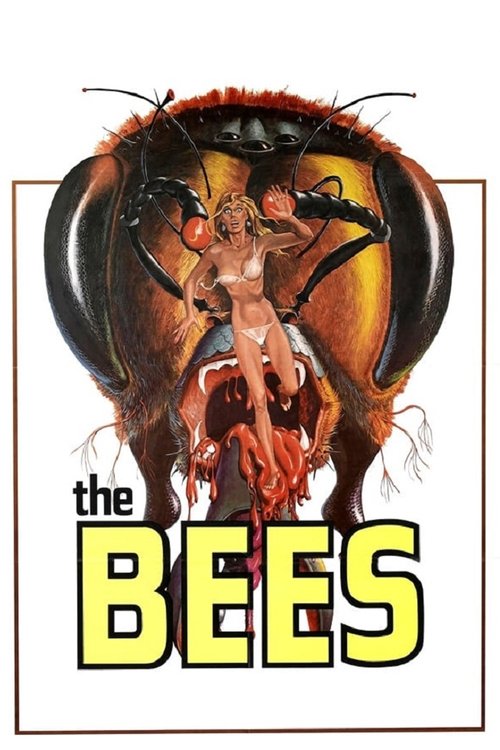
The Bees 1978
"They prey on HUMAN FLESH!"
When corporate greed unleashes killer bees from South America into the U.S., the once-ordinary insects transform into a terrifying force of nature.
Director: Alfredo Zacarías
Cast





Frequently Asked Questions
What is The Bees (1978) about?
A corporate smuggling operation accidentally unleashes killer bees into the U.S., leading to massive swarms that terrorize the population. As the bees mutate, they become hyper-intelligent predators, forcing scientists to race against time to stop the global threat before it's too late.
Who directed The Bees?
Alfredo Zacarías directed this 1978 thriller, blending horror and sci-fi with a sharp eye for suspense.
Who stars in The Bees?
The film features John Saxon, Angel Tompkins, John Carradine, Claudio Brook, and Alicia Encinas as key players navigating the bee invasion.
Is The Bees (1978) worth watching?
While not a blockbuster, The Bees (1978) offers a fun, low-budget thrill with standout performances from the cast. Its unique premise and practical effects make it a cult favorite for fans of 70s horror and sci-fi.
How long is The Bees?
The Bees runs for 92 minutes, a tight runtime that keeps the tension high without unnecessary fluff.
🎥 Trailer
About The Bees (1978) — Killer Bees Invasion Film with John Saxon & John Carradine
When corporate greed unleashes killer bees from South America into the U.S., the once-ordinary insects transform into a terrifying force of nature.
Directed by Alfredo Zacarías and starring genre icons like John Saxon, Angel Tompkins, and John Carradine, The Bees (1978) blends horror, sci-fi, and thriller elements into a pulse-pounding narrative. The film shifts from a desperate race to contain the swarms to a chilling exploration of survival as the bees evolve into hyper-intelligent predators. With eerie practical effects and a tension that lingers long after the credits roll, this underrated gem delivers a unique twist on nature's wrath.
Set against a backdrop of scientific urgency and primal fear, The Bees (1978) weaves themes of environmental hubris and humanity's fragile dominance over the planet.