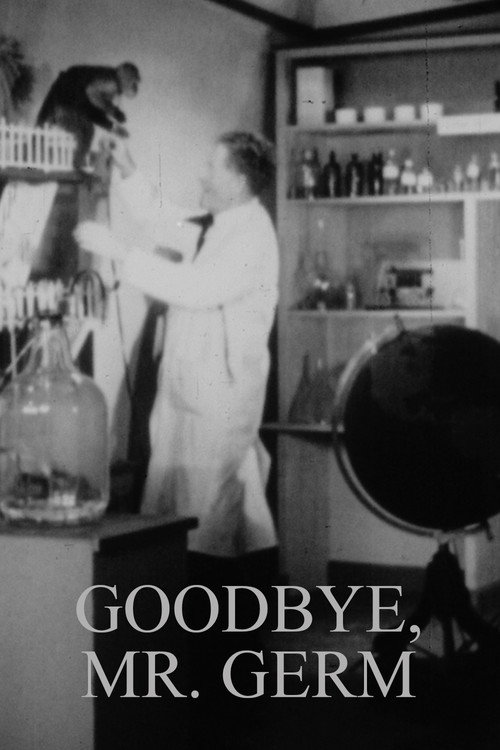
Goodbye, Mr. Germ 1940
Discovered in the golden era of short-form storytelling, *Goodbye, Mr. Germ* (1940) is a striking animated drama directed by Edgar G. Ulmer, blending education with emotional resonance.
Director: Edgar G. Ulmer
Cast
Frequently Asked Questions
What is Goodbye, Mr. Germ (1940) about?
This 1940 animated short follows a doctor who explains the dangers of tuberculosis to his children, breaking down how the disease spreads and the steps families can take to stay safe. The film uses simple yet effective visuals to convey serious health advice in an accessible way.
Who directed Goodbye, Mr. Germ?
Edgar G. Ulmer, a filmmaker celebrated for his work in both classic Hollywood and B-movie cinema, helmed this health-focused short.
Who stars in Goodbye, Mr. Germ?
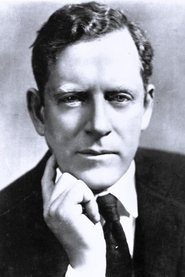
The cast centers on James Kirkwood, though the film's real focus is on the educational narrative rather than traditional actors.
Is Goodbye, Mr. Germ (1940) worth watching?
As a historical artifact, *Goodbye, Mr. Germ* offers a unique look at mid-century public health messaging, blending animation with real-world urgency. While it's far from a blockbuster, its brevity and educational value make it a curiosity for fans of vintage short films.
How long is Goodbye, Mr. Germ?
The film runs for 14 minutes, a compact runtime that packs in its health education message.
About Goodbye, Mr. Germ (1940) — How a 1940s Short Film Taught Families to Fight Tuberculosis
Discovered in the golden era of short-form storytelling, *Goodbye, Mr. Germ* (1940) is a striking animated drama directed by Edgar G. Ulmer, blending education with emotional resonance. In just 14 minutes, the film follows a compassionate doctor as he breaks down the realities of tuberculosis for his children, demystifying the disease with vivid imagery and clear explanations. The atmosphere is both somber and hopeful, using the era's accessible animation style to deliver serious health advice without preaching.
Ulmer, known for his ability to craft compelling narratives in condensed formats, infuses the short with a quiet urgency, encouraging families to take preventive measures. While the runtime is brief, its impact lingers, making it a fascinating artifact of mid-century public health cinema. Whether you're a history buff or a fan of classic animation, this film offers a glimpse into how 1940s filmmakers tackled real-world issues with creativity and care.