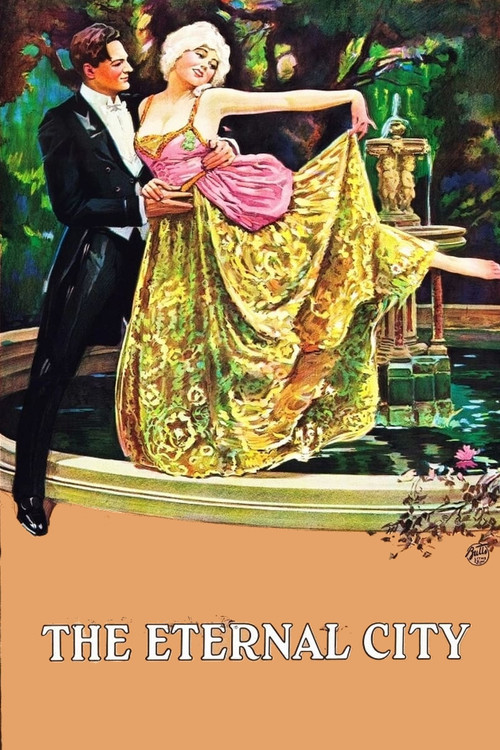
The Eternal City 1923
"Drink to love!-to life-to glory!"
Set against the dramatic backdrop of 1920s Italy, *The Eternal City (1923)* weaves a poignant war drama under George Fitzmaurice's masterful direction.
Director: George Fitzmaurice
Cast



Frequently Asked Questions
What is The Eternal City (1923) about?
This 1923 war drama unfolds in Italy, where personal and national struggles intertwine against the backdrop of a young nation finding its footing. The story explores themes of duty, sacrifice, and the fragile balance between love and survival in a turbulent era.
Who directed The Eternal City?
George Fitzmaurice directed *The Eternal City*, helming a film that captures both intimate human drama and sweeping historical moments.
Who stars in The Eternal City?
The film features a stellar cast including Lionel Barrymore, Barbara La Marr, Bert Lytell, Richard Bennett, and Montagu Love.
Is The Eternal City (1923) worth watching?
While classic films like *The Eternal City* offer a fascinating window into early cinema and post-war Italy, its value depends on your interest in silent-era dramas. Its historical resonance and strong performances make it a compelling watch for fans of vintage filmmaking.
How long is The Eternal City?
The runtime for *The Eternal City* is 80 minutes.
About The Eternal City (1923) — A War Drama's Glimpse into Post-War Italy's Soul
Set against the dramatic backdrop of 1920s Italy, *The Eternal City (1923)* weaves a poignant war drama under George Fitzmaurice's masterful direction. The film captures a moment of national pride as King Victor Emmanuel III and Benito Mussolini inspect Italian troops, blending historical significance with intimate personal stakes. With a palpable sense of tension and romantic idealism, the story follows intertwined lives against the sweeping canvas of post-war Italy, where duty, love, and survival collide.
Lionel Barrymore, Barbara La Marr, and Bert Lytell anchor the emotionally charged narrative, delivering performances that reflect the era's contrasts—glory and sacrifice, triumph and tragedy. Fitzmaurice's keen eye for atmosphere infuses each scene with a cinematic richness, from grand military parades to whispered conversations in shadowed streets. The result is a film that lingers like a memory, both grand and deeply human.