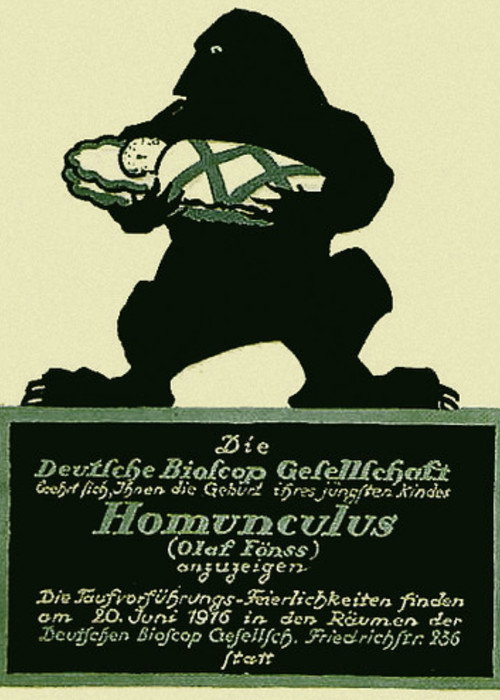
The Love Tragedy of the Homunculus 1916
Directed by Otto Rippert and set against the eerie backdrop of early 20th-century Germany, *The Love Tragedy of the Homunculus (1916)* weaves a haunting tale of artificial life, forbidden emotions, and vengeance.
Director: Otto Rippert
Cast


Frequently Asked Questions
What is The Love Tragedy of the Homunculus (1916) about?
This early German silent film follows a homunculus—a man-made being—who seeks to comprehend love while exacting brutal revenge on those who wrong others. His meddling in the life of a young woman, Anna, and her manipulative seducer spirals into financial ruin and emotional devastation, blurring the lines between creator and destroyer.
Who directed The Love Tragedy of the Homunculus?
Otto Rippert directed this 1916 silent horror-sci-fi masterpiece, blending gothic aesthetics with philosophical questions about artificial life.
Who stars in The Love Tragedy of the Homunculus?
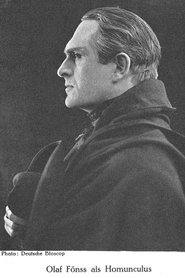
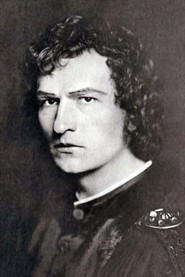
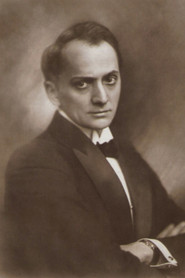
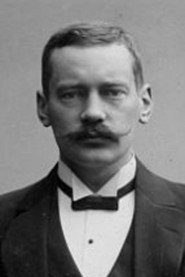
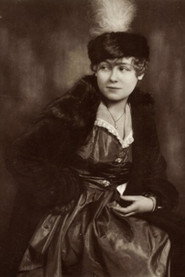
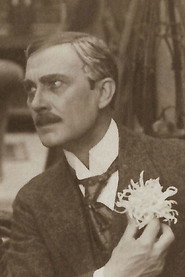
The film features Aud Egede-Nissen as Anna, Olaf Fønss as Edgar Rodin, and Friedrich Kühne as the homunculus, alongside Ilsa Lersen, Theodor Loos, and Adolf Paul.
Is The Love Tragedy of the Homunculus (1916) worth watching?
While it's a silent-era curiosity, its themes of artificial humanity and revenge resonate today. Horror and sci-fi enthusiasts will appreciate its eerie atmosphere and melodramatic intensity, though its pacing may feel dated to modern viewers.
How long is The Love Tragedy of the Homunculus?
The film runs for 64 minutes, a concise runtime typical of early silent cinema.
About The Love Tragedy of the Homunculus (1916) — Otto Rippert's Silent Horror Classic Explored
Directed by Otto Rippert and set against the eerie backdrop of early 20th-century Germany, *The Love Tragedy of the Homunculus (1916)* weaves a haunting tale of artificial life, forbidden emotions, and vengeance. This silent-era horror-sci-fi hybrid follows a sentient homunculus—created through alchemy and science—who craves understanding human love while wreaking brutal chaos on those who defy him. As he manipulates the lives of a vulnerable young woman, Anna, and her deceitful seducer, the film explores themes of rejection, obsession, and the destructive power of unrequited affection. With its shadowy visuals and melodramatic intensity, the movie blends gothic atmosphere with philosophical undertones, questioning whether empathy can ever exist in a being built for destruction.
The cast, led by Aud Egede-Nissen as the tragic Anna and Olaf Fønss as the cunning Edgar Rodin, delivers a gripping performance that heightens the film's emotional and psychological tension. Rippert's direction leans into the uncanny, using stark contrasts and symbolic imagery to mirror the homunculus's internal conflict. Though a product of its time, the story's exploration of artificial humanity and moral ambiguity feels eerily prescient, making it a fascinating relic for fans of vintage horror and silent cinema alike.