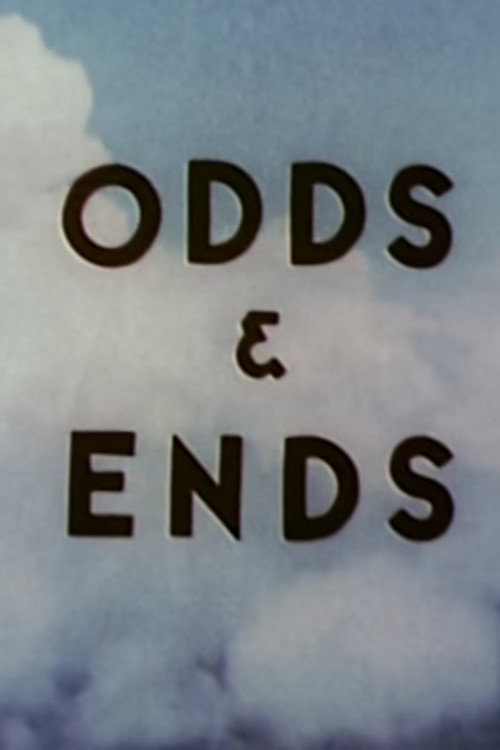
Odds & Ends 1959
Dive into *Odds & Ends (1959)*, a brisk yet bold experimental short that blends Beat-era wit with avant-garde collage techniques.
Director: Jane Conger Belson Shimané
Cast
Frequently Asked Questions
What is Odds & Ends (1959) about?
This experimental short critiques collage filmmaking and 1950s Beat culture by splicing discarded footage with hand-drawn animation, jazz narration, and rhythmic bongo tracks. The result is a nonsensical yet hypnotic meditation on poetry, jazz, and the art of the absurd.
Who directed Odds & Ends?
Jane Conger Belson Shimané helmed this avant-garde short, infusing it with her distinctive experimental style.
Who stars in Odds & Ends?
The film features voice work by Henry Jacobs, credited as Rheny Bojacs, alongside the assembled visuals and found footage.
Is Odds & Ends (1959) worth watching?
While *Odds & Ends (1959)* is unrated on IMDb, its 4-minute runtime and cult appeal make it a hidden gem for fans of experimental cinema. Its playful absurdity and jazz-infused energy offer a unique snapshot of Beat-era creativity.
How long is Odds & Ends?
The film runs for 4 minutes.
About Odds & Ends (1959) — A Four-Minute Collage of Animation and Beat Poetry
Dive into *Odds & Ends (1959)*, a brisk yet bold experimental short that blends Beat-era wit with avant-garde collage techniques. Directed by the visionary Jane Conger Belson Shimané, this four-minute film stitches together discarded travel footage and advertising reels, transforming them into a surreal tapestry of animation, cutouts, and vibrant color fields. A faux-hipster narration by Henry Jacobs (credited under the playful anagram Rheny Bojacs) drifts between double entendres and playful nonsense, punctuated by the rhythmic thump of a bongo track. The result is a playful critique of both collage filmmaking and the bohemian subculture of the era, where poetry, jazz, and the absurd collide in a whirlwind of visual and auditory experimentation.
Delivered with a wink and a nod, *Odds & Ends (1959)* captures the restless energy of 1950s counterculture, wrapped in a package that's as thought-provoking as it is delightfully off-kilter. The film's fragmented narrative and jazzy delivery invite viewers to lean into the chaos, making it a fascinating time capsule of artistic rebellion.