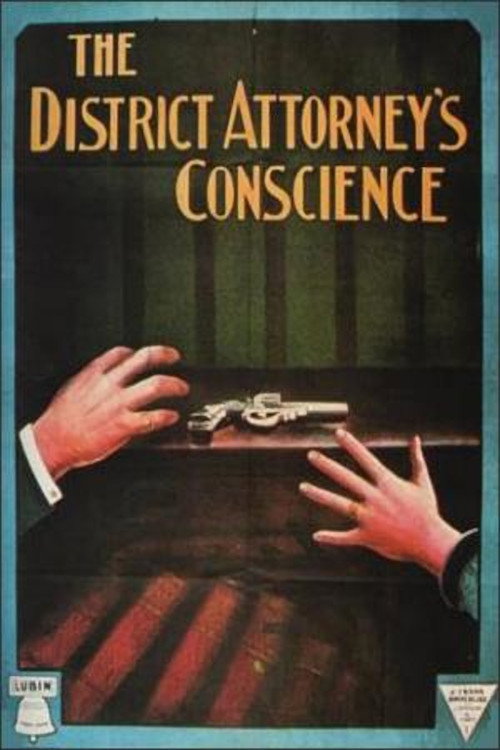
The District Attorney's Conscience 1913
Dive into the early silent-era drama *The District Attorney's Conscience* (1913), directed by Arthur V. Johnson, a gripping tale of labor unrest and personal conviction set in a bustling factory town.
Director: Arthur V. Johnson
Cast


Frequently Asked Questions
What is The District Attorney's Conscience (1913) about?
This silent-era drama explores the rise of labor tensions in a factory town, driven by Tony Gazeco, an anarchist whose passionate speeches inspire his fellow workers. As his rhetoric gains traction, it catches the attention of factory owner Fred Jackson, setting the stage for a dramatic confrontation between labor and capital.
Who directed The District Attorney's Conscience?
The film was directed by Arthur V. Johnson, a prominent figure in early cinema known for his work during the silent film era.
Who stars in The District Attorney's Conscience?
The cast includes Arthur V. Johnson, Lottie Briscoe, Howard M. Mitchell, Charles Brandt, and Florence Hackett, with Johnson leading the ensemble in a powerful role.
Is The District Attorney's Conscience (1913) worth watching?
While it lacks modern production value, *The District Attorney's Conscience* offers a fascinating snapshot of early silent-era drama and labor themes. For fans of historical cinema or early filmmaking, its brevity and intensity make it a compelling watch.
How long is The District Attorney's Conscience?
The film has a runtime of 30 minutes.
About The District Attorney's Conscience (1913) — Silent-Era Drama of Labor and Idealism
Dive into the early silent-era drama *The District Attorney's Conscience* (1913), directed by Arthur V. Johnson, a gripping tale of labor unrest and personal conviction set in a bustling factory town. The film follows Tony Gazeco, a fiery anarchist whose impassioned speeches ignite tensions among workers during their lunch breaks. When Will and May Mason witness one of his fiery tirades and report it to factory owner Fred Jackson, the stage is set for a collision between idealism and authority. Johnson crafts a tense atmosphere, weaving themes of social justice, rebellion, and the moral dilemmas faced by those caught in the machinery of industry. With its dramatic intensity and raw energy, this short silent film offers a fascinating glimpse into early 20th-century labor movements and the power of collective action.
Starring Arthur V. Johnson, Lottie Briscoe, and Howard M. Mitchell, *The District Attorney's Conscience* blends social commentary with cinematic storytelling, making it a standout among early dramas. The film's compact runtime of 30 minutes belies its ambitious exploration of class struggle and the consequences of speaking truth to power. Whether you're a silent film enthusiast or a fan of historical dramas, this 1913 classic delivers a punch of early cinematic passion.