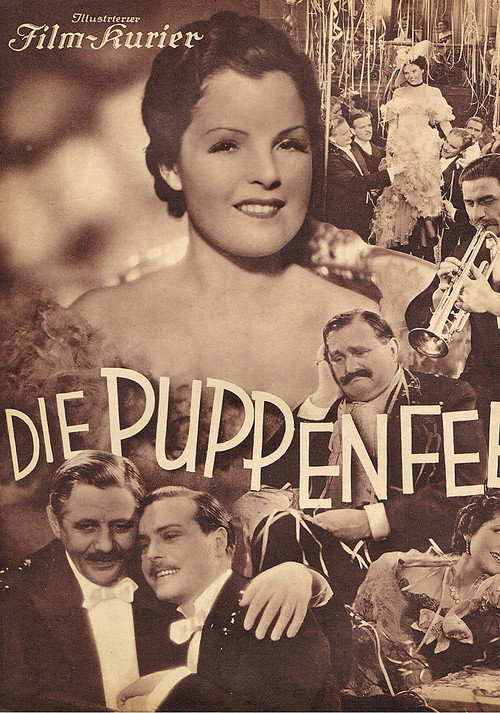
Die Puppenfee 1936
A melancholic waltz through 1930s Vienna unfolds in *Die Puppenfee (1936)*, a delicate drama-romance draped in silken nostalgia. Director E. W.
Director: E.W. Emo
Cast


Frequently Asked Questions
What is Die Puppenfee (1936) about?
*Die Puppenfee* follows the emotional journey of a doll-maker whose creations become metaphors for the fragile bonds of love in pre-war Vienna. As her own heart softens toward an unexpected romance, the film unfolds as a tender meditation on beauty, impermanence, and the quiet sacrifices made in the name of affection.
Who directed Die Puppenfee?
The film was directed by E. W. Emo, an Austrian filmmaker known for his atmospheric dramas blending romance and social commentary.
Who stars in Die Puppenfee?
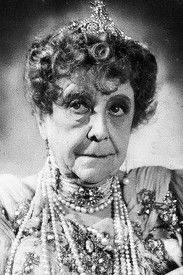
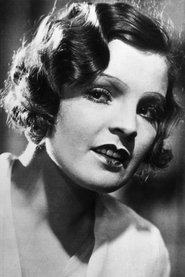
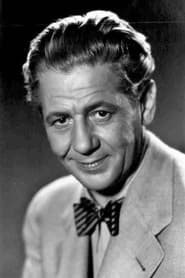
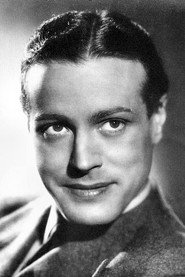
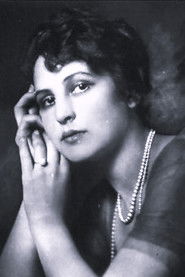
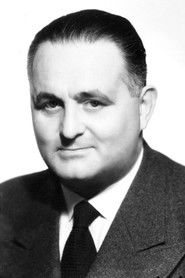
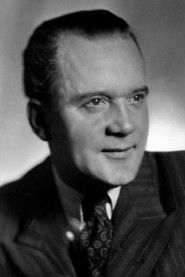
The film features a distinguished ensemble including Adele Sandrock, Magda Schneider, Paul Hörbiger, Wolf Albach-Retty, and Dagny Servaes.
Is Die Puppenfee (1936) worth watching?
With its elegant performances and wistful storytelling, *Die Puppenfee* offers a rewarding glimpse into 1930s European cinema. While not widely rated today, its delicate emotional resonance and period charm make it a hidden gem for fans of classic romance and historical drama.
How long is Die Puppenfee?
Die Puppenfee (1936) has a runtime of 86 minutes.
About Die Puppenfee (1936) — A Viennese Romantic Drama Steeped in Nostalgia
A melancholic waltz through 1930s Vienna unfolds in *Die Puppenfee (1936)*, a delicate drama-romance draped in silken nostalgia. Director E. W. Emo crafts a world where porcelain dolls and human hearts seem equally fragile, guided by the seasoned grace of Adele Sandrock and the radiant newcomer Magda Schneider. The story drifts between moonlit ballrooms and candlelit parlors, where love's fragility mirrors the delicate craftsmanship of the titular doll-maker's artistry. At its heart, the film explores themes of longing, sacrifice, and the bittersweet passage of time—captured in performances that balance warmth with quiet sorrow. With its subdued emotional palette and tender pacing, *Die Puppenfee* feels like a well-preserved relic of European cinema's golden age.
The film's atmosphere lingers in the interplay of shadow and candlelight, where every glance and gesture carries unspoken weight. Paul Hörbiger and Wolf Albach-Retty anchor the ensemble with gravitas, while Dagny Servaes lends an air of aristocratic melancholy. Though modest in scale, *Die Puppenfee (1936)* endures as a poignant reminder of how stories of love and loss can be as intricate—and as finely crafted—as the dolls that pass through its characters' lives.