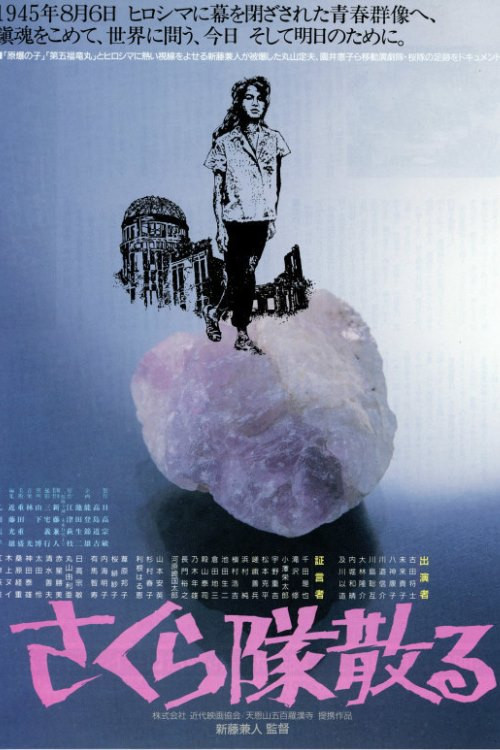
Sakura-tai Chiru 1988
Sakura-tai Chiru (1988), directed by the legendary Kaneto Shindō, is a poignant documentary-drama that captures a pivotal moment in history through the lens of theater.
Director: Kaneto Shindō
Cast



Frequently Asked Questions
What is Sakura-tai Chiru (1988) about?
The film documents the final days of the Sakura-tai theatrical troupe, who arrived in Hiroshima to rehearse a play just before the atomic bombing in 1945. Through their personal stories, it blends documentary realism with dramatic storytelling, exploring themes of fate, art, and survival.
Who directed Sakura-tai Chiru?
Kaneto Shindō, the acclaimed Japanese filmmaker known for his socially conscious and humanistic works, directed Sakura-tai Chiru.
Who stars in Sakura-tai Chiru?
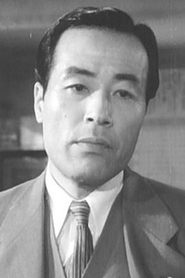
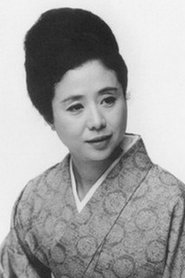
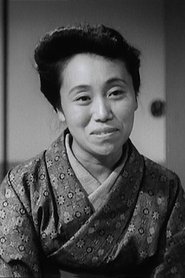
The film features a stellar cast including Eitarō Ozawa, Koreya Senda, Nobuko Otowa, and Haruko Sugimura, delivering performances that anchor its emotional depth.
Is Sakura-tai Chiru (1988) worth watching?
With its unique blend of documentary and drama, Sakura-tai Chiru is a moving and historically significant film that offers a rare perspective on Hiroshima's tragedy. Fans of Shindō's work or historical storytelling will find it particularly compelling, though its tone is solemn and reflective.
How long is Sakura-tai Chiru?
Sakura-tai Chiru runs for 113 minutes.
About Sakura-tai Chiru (1988) — Kaneto Shindō's haunting tribute to Hiroshima's lost actors
Sakura-tai Chiru (1988), directed by the legendary Kaneto Shindō, is a poignant documentary-drama that captures a pivotal moment in history through the lens of theater. The film immerses viewers in the final days of the Sakura-tai troupe as they prepare for a play on the island of Hiroshima, unaware of the impending atomic bombing that would change everything. Through intimate character portraits—featuring powerhouse performances from Eitarō Ozawa, Koreya Senda, and Nobuko Otowa—Shindō crafts a haunting elegy for lives interrupted by catastrophe, blending quiet human drama with the weight of historical consequence. The stifling summer air, the troupe's camaraderie, and the looming dread create an atmosphere of fragile beauty, making this a meditation on memory, art, and the fragility of existence.
As a work of documentary realism infused with dramatic intensity, Sakura-tai Chiru transcends its genre, offering a rare glimpse into the personal stories behind a national tragedy. Shindō's masterful direction balances raw historical weight with deeply human moments, ensuring the film resonates as both a tribute to lost lives and a timeless reflection on the power of theater to confront—and preserve—our collective past.