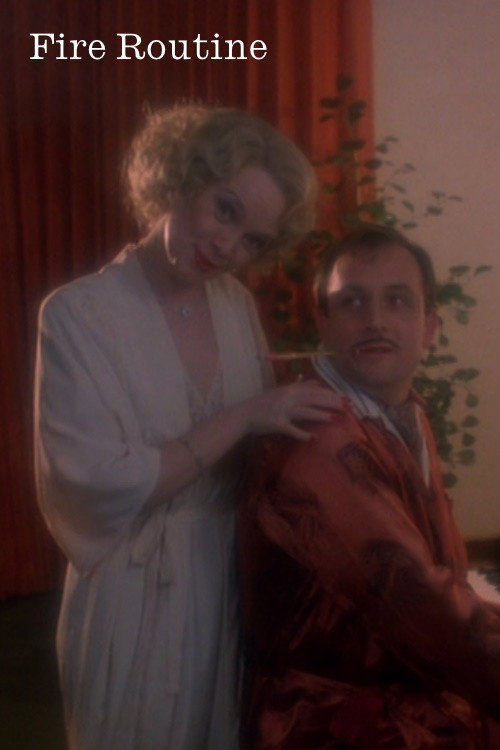
Fire Routine 1979
Released in 1979, *Fire Routine* is a short yet impactful musical documentary directed by Piers Haggard. This two-minute film blends catchy sing-along tunes with a vital safety message, urging viewers to unplug household appliances before bedtime to prevent tragic fires.
Director: Piers Haggard
Frequently Asked Questions
What is Fire Routine (1979) about?
*Fire Routine* is a short musical documentary that delivers a straightforward fire safety lesson through an upbeat song. It encourages viewers to turn off or unplug appliances before bed to avoid electrical fires. The film's charm lies in its simplicity and how it turns everyday caution into an earworm.
Who directed Fire Routine?
Piers Haggard directed *Fire Routine* in 1979, bringing his filmmaking expertise to this public safety effort.
Who stars in Fire Routine?
Cast details for *Fire Routine* are not listed in available sources.
Is Fire Routine (1979) worth watching?
As a two-minute musical PSA, *Fire Routine* offers more entertainment value than most safety films, thanks to its catchy tune and clear message. While it wasn't rated on IMDb, its historical and nostalgic appeal may interest fans of 1970s public service announcements or short-form cinema.
How long is Fire Routine?
*Fire Routine* has a runtime of 2 minutes.
About Fire Routine (1979) — A 1970s musical safety PSA with a timeless message
Released in 1979, *Fire Routine* is a short yet impactful musical documentary directed by Piers Haggard. This two-minute film blends catchy sing-along tunes with a vital safety message, urging viewers to unplug household appliances before bedtime to prevent tragic fires. The breezy, upbeat soundtrack contrasts with the serious warning, creating an engaging yet memorable experience that resonates long after the credits roll.
Crafted in an era when public safety campaigns relied on grassroots creativity, *Fire Routine* stands out for its simplicity and effectiveness. The film's concise runtime and lively musical delivery make it an intriguing artifact of 1970s public service filmmaking—a time when education met entertainment in unexpected ways.