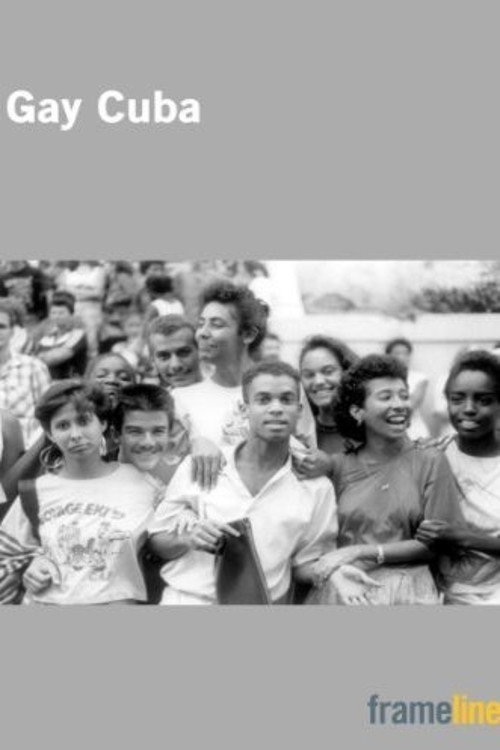
Gay Cuba 1996
Gay Cuba (1996), directed by Sonja De Vries, offers a sharp, eye-opening exploration of Cuba's complex relationship with homosexuality in the decades following the 1959 revolution.
Director: Sonja De Vries
Frequently Asked Questions
What is Gay Cuba (1996) about?
Gay Cuba (1996) examines the paradox of Cuba's post-revolutionary era, where equality rhetoric collided with harsh realities for LGBTQ+ individuals. The documentary delves into how military demands and Soviet-influenced ideology perpetuated discrimination, despite the revolution's ideals of liberation. It's a revealing study of identity, politics, and the slow march toward acceptance.
Who directed Gay Cuba?
Gay Cuba was directed by Sonja De Vries, a filmmaker known for tackling socially relevant themes with depth and nuance.
Who stars in Gay Cuba?
Director information is not available.
Is Gay Cuba (1996) worth watching?
As a 57-minute documentary, Gay Cuba (1996) offers a unique window into Cuba's LGBTQ+ history with a focus on political and social dynamics. While its IMDb rating is unrated, its subject matter and directorial approach make it a compelling watch for those interested in queer history or Cuban studies.
How long is Gay Cuba?
Gay Cuba runs for 57 minutes.
Gay Cuba (1996): A Bold Look at Cuba's LGBTQ+ Revolution — Full Movie Info
Gay Cuba (1996), directed by Sonja De Vries, offers a sharp, eye-opening exploration of Cuba's complex relationship with homosexuality in the decades following the 1959 revolution. While the revolution promised liberation and equality, its realities fell short for many LGBTQ+ individuals, as traditional stereotypes and state ideology clashed with the ideals of progress. This 57-minute documentary peels back layers of Cuba's social fabric, revealing how military priorities and political dogma often overshadowed the fight for sexual freedom. The film captures the tension between revolutionary rhetoric and lived experience, painting a stark portrait of a society in flux, where identity and acceptance remain fraught with challenges.
Through intimate storytelling and sensitive filmmaking, Sonja De Vries sheds light on a lesser-known chapter of Cuban history, blending personal narratives with broader political context. The atmosphere is one of quiet urgency, underscoring the resilience of those who challenged the status quo despite systemic barriers. Gay Cuba (1996) isn't just a historical record—it's a testament to the enduring struggle for authenticity in a world quick to claim progress but slow to embrace true diversity.