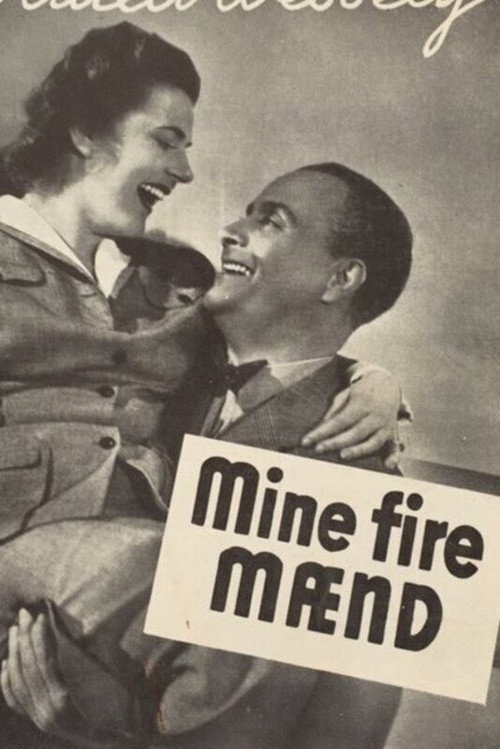
Die kluge Marianne 1943
Set in early 19th-century Austria, *Die kluge Marianne (1943)* follows the spirited Marianne as she navigates a world that underestimates her wit and charm.
Director: Hans Thimig
Cast
Frequently Asked Questions
What is Die kluge Marianne (1943) about?
*Die kluge Marianne* tells the story of a brilliant young woman navigating a society that dismisses her intelligence. Through clever schemes and unwavering determination, she challenges expectations and proves her worth, all while delivering sharp humor and heartfelt moments.
Who directed Die kluge Marianne?
The film was directed by Hans Thimig, a notable figure in early 20th-century Austrian cinema known for his work in both comedy and drama.
Who stars in Die kluge Marianne?
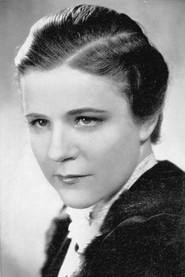
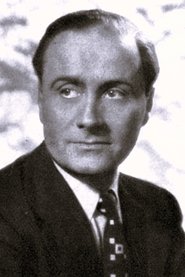
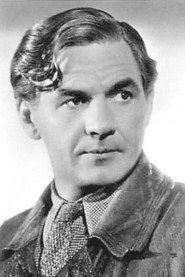
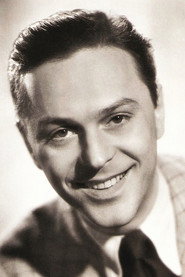
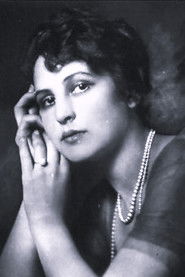
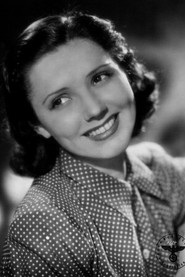
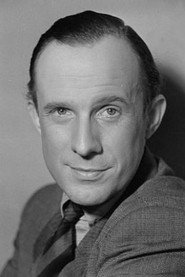
The film stars Paula Wessely as Marianne, alongside Hermann Thimig, Attila Hörbiger, Hans Holt, and Dagny Servaes in key roles.
Is Die kluge Marianne (1943) worth watching?
As a classic Austrian comedy, *Die kluge Marianne* offers nostalgic charm, sharp wit, and a strong female lead. While it may not be widely available today, its historical and cultural significance makes it a worthwhile watch for fans of vintage comedies.
How long is Die kluge Marianne?
Runtime details are not listed.
About Die kluge Marianne (1943) — Classic Austrian Comedy with a Sharp-Witted Heroine
Set in early 19th-century Austria, *Die kluge Marianne (1943)* follows the spirited Marianne as she navigates a world that underestimates her wit and charm. Directed by Hans Thimig, this classic Austrian comedy blends sharp humor with heartwarming moments, showcasing the cleverness of its clever heroine as she outsmarts societal norms and meddling foes. With a lighthearted yet clever tone, the film captures the essence of resilience and intelligence triumphing over rigid expectations.
Starring the iconic Paula Wessely in the lead role, alongside a stellar cast including Hermann Thimig, Attila Hörbiger, and Hans Holt, *Die kluge Marianne* delivers timeless entertainment wrapped in historical charm. Thimig's direction ensures a balance of wit, warmth, and visual elegance, making it a standout in 1940s Austrian cinema.