Ghost Tower 1948
Step into the shadowy corridors of *Ghost Tower (1948)*, a haunting blend of romance, crime, mystery, and horror directed by the masterful Kōzō Saeki.
Director: Kōzō Saeki
Cast


Frequently Asked Questions
What is Ghost Tower (1948) about?
*Ghost Tower (1948)* follows a woman drawn into a mysterious urban legend tied to a crumbling tower, where she uncovers layers of deception and supernatural occurrences. As she navigates the tower's dark corridors, she encounters figures from the past whose presence blurs the line between memory and haunting reality.
Who directed Ghost Tower?
*Ghost Tower* was directed by Kōzō Saeki, a filmmaker known for his atmospheric and genre-blending approach to cinema.
Who stars in Ghost Tower?
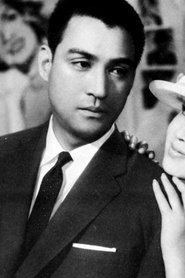
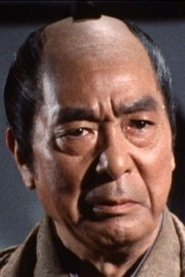
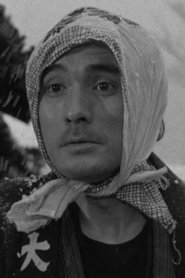
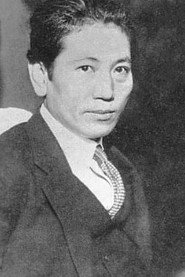
The film stars Toshiko Hatori, Eiji Funakoshi, Reiko Minagawa, Bontarō Miake, and Kenjiro Uemura in key roles.
Is Ghost Tower (1948) worth watching?
For fans of vintage horror and mystery, *Ghost Tower (1948)* offers a unique, if overlooked, experience. Its tight 77-minute runtime and blend of romance, crime, and the supernatural make it a compelling watch for those who appreciate atmospheric storytelling and classic Japanese horror.
How long is Ghost Tower?
*Ghost Tower* has a runtime of 77 minutes.
Ghost Tower (1948): A Haunting Blend of Romance and Horror — Full Movie Info
Step into the shadowy corridors of *Ghost Tower (1948)*, a haunting blend of romance, crime, mystery, and horror directed by the masterful Kōzō Saeki. Set against the eerie backdrop of post-war Japan, this 77-minute chiller unfolds in a crumbling urban legend—a tower said to trap the restless spirits of the past. Toshiko Hatori delivers a standout performance as a woman ensnared in a web of deception and dread, while Eiji Funakoshi adds brooding intensity as the enigmatic figure at the story's heart. The film's moody cinematography and tense narrative weave a tale where love and danger intertwine, leaving audiences questioning what's real and what's supernatural.
As the tower's secrets unravel, so do the fates of its inhabitants, blending criminal intrigue with ghostly apparitions. Saeki's direction infuses the film with a palpable sense of dread, making *Ghost Tower (1948)* a forgotten gem for fans of atmospheric, genre-defying cinema. With its short runtime and sharp focus on psychological terror, this movie lingers like a ghostly whisper long after the credits roll.