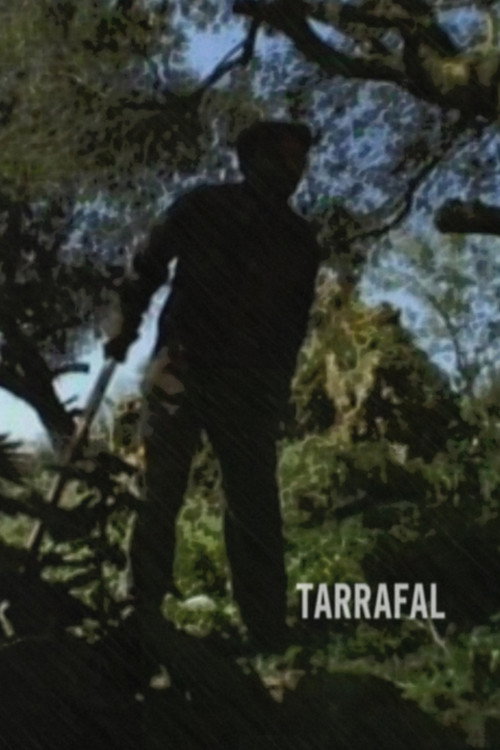
Tarrafal 2007
Pedro Costa's *Tarrafal* (2007), a compelling documentary short from the anthology film *O Estado do Mundo*, immerses viewers in the haunting legacy of Portugal's colonial past.
Director: Pedro Costa
Cast
Frequently Asked Questions
What is Tarrafal (2007) about?
This documentary short examines the infamous Tarrafal Prison in Cape Verde, a site tied to Portugal's colonial legacy and political repression. Through firsthand accounts and stark visuals, the film sheds light on the struggles of those who endured its harsh conditions.
Who directed Tarrafal?
Pedro Costa, the acclaimed Portuguese filmmaker known for his intimate and socially conscious documentaries, directed *Tarrafal* (2007).
Who stars in Tarrafal?
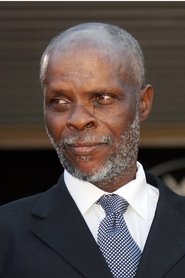
The film features Ventura, José Alberto Silva, Lucinda Cardoso, and Alfredo Mendes as key contributors to its narrative.
Is Tarrafal (2007) worth watching?
While unrated, *Tarrafal* (2007) packs a punch in its 17-minute runtime, offering a stark and thought-provoking glimpse into a dark chapter of history. It's a compelling watch for fans of documentary films and those interested in Portugal's colonial past.
How long is Tarrafal?
The runtime for *Tarrafal* (2007) is 17 minutes.
About Tarrafal (2007) — A Haunting Look at Portugal's Colonial Past
Pedro Costa's *Tarrafal* (2007), a compelling documentary short from the anthology film *O Estado do Mundo*, immerses viewers in the haunting legacy of Portugal's colonial past. Through Ventura's poignant narration and striking visuals, the film explores the lingering scars of the Tarrafal Prison—a notorious site of political repression and suffering. The atmosphere is one of quiet intensity, as Costa strips away the polish to reveal raw, unflinching human stories. The documentary genre serves as a vehicle for social commentary, blending historical weight with deeply personal accounts.
Set against the backdrop of Cape Verde's arid landscapes and decaying structures, *Tarrafal* becomes a meditation on memory, justice, and resilience. Costa's signature observational style strips away artifice, letting the land and its survivors speak for themselves. The film's brevity—just 17 minutes—belies its emotional depth, leaving a lasting impression that lingers long after the credits roll.