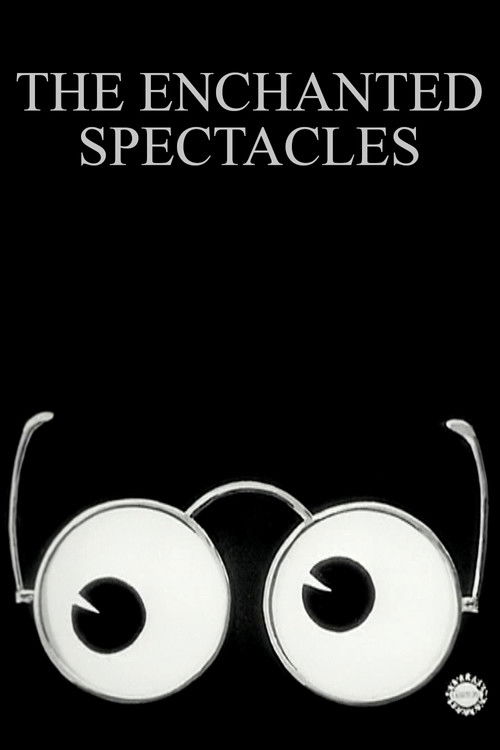
The Enchanted Spectacles 1909
In *The Enchanted Spectacles* (1909), Émile Cohl crafts a whimsical 5-minute silent short that blends comedy and fantasy, showcasing the early magic of animation.
Director: Émile Cohl
Frequently Asked Questions
What is The Enchanted Spectacles (1909) about?
This short film centers on a group of high-spirited partygoers who take turns wearing a pair of enchanted spectacles. The glasses magically expose each wearer's true personality and hidden desires, transforming their appearances in comedic and surreal ways.
Who directed The Enchanted Spectacles?
Émile Cohl, a French animator and director often hailed as one of the pioneers of animated film, brought this imaginative short to life.
Who stars in The Enchanted Spectacles?
Director information is not available.
Is The Enchanted Spectacles (1909) worth watching?
As a historical curiosity, it's fascinating for its technical innovation and playful charm. While short on plot, its surreal humor and early animation techniques make it a rewarding watch for silent film or vintage cinema enthusiasts.
How long is The Enchanted Spectacles?
The runtime is approximately 5 minutes.
About The Enchanted Spectacles (1909) — How 5 Minutes of Early Animation Revealed Hidden Selves
In *The Enchanted Spectacles* (1909), Émile Cohl crafts a whimsical 5-minute silent short that blends comedy and fantasy, showcasing the early magic of animation. The film follows a lively gathering of Parisian socialites—bon vivants who pass around a pair of magical spectacles said to reveal the hidden personality and secret pleasures of whoever wears them. As each guest tries on the enchanted lenses, their true selves are exposed in surreal, exaggerated ways, blending humor with a touch of the uncanny. The atmosphere is playful yet enigmatic, a snapshot of early 20th-century entertainment where novelty and spectacle reigned supreme.
Directed by the pioneering Émile Cohl, *The Enchanted Spectacles* stands as a fascinating artifact of silent-era cinema, merging animation's infancy with the era's love for optical illusions and trick films. Its themes of perception and identity unfold in a series of metamorphosing gags, where the line between performer and persona blurs. For modern viewers, it's a delightful glimpse into how cinema once played with reality—and how even a century ago, movies could make audiences laugh while peering into the depths of human nature.